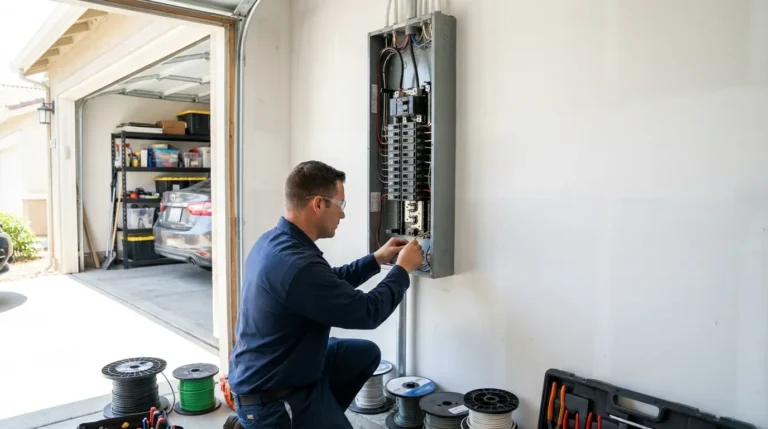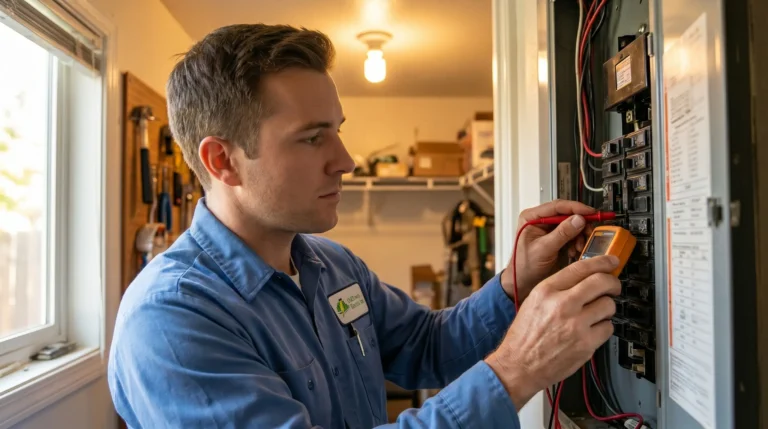

Quick Answer: Hot tub wiring in Sacramento usually costs $1,500 to $4,500 for a standard 240V dedicated circuit with proper GFCI protection and a spa disconnect. A simple short-run installation may cost less, while long conduit runs, trenching, concrete work, or an undersized electrical panel can push the project above $5,000 to $10,000+.
If you are asking about hot tub wiring cost Sacramento homeowners should expect, the honest answer is that the spa itself is only part of the project. The electrical work is what determines whether the hot tub is safe, code-compliant, and reliable once it is filled, heated, and used every week.
At Old Town Electric, we see this often across Sacramento, Elk Grove, Citrus Heights, Carmichael, Fair Oaks, Rancho Cordova, and nearby communities. Some homes are ready for a hot tub circuit with only a clean dedicated run. Others need panel work, trenching, load calculations, or a better location for the disconnect.
This guide breaks down the real cost factors so you can budget correctly before the spa arrives.
Table of Contents
How Much Does Hot Tub Wiring Cost in Sacramento?
Most Sacramento homeowners should budget $1,500 to $4,500 for professional hot tub wiring. That range usually includes a dedicated 240V circuit, proper wire sizing, conduit, a GFCI-protected spa disconnect, and labor from a licensed electrician.
The lower end usually applies when the hot tub is close to the electrical panel and the panel has enough available capacity. The higher end applies when the run is longer, the wiring path is difficult, the panel is older, or outdoor conduit and trenching are required.
| Project Type | Typical Sacramento Cost | What It Usually Includes |
|---|---|---|
| Simple short-run hot tub circuit | $1,500-$2,500 | Nearby panel, enough capacity, basic conduit path, standard disconnect |
| Standard 240V hot tub wiring | $2,500-$4,500 | Dedicated circuit, GFCI protection, outdoor-rated conduit, spa disconnect |
| Long run or difficult access | $4,500-$7,500 | Long conduit run, attic/crawlspace work, trenching, patio routing, added labor |
| Hot tub wiring with panel upgrade | $7,500-$10,000+ | Panel upgrade, load calculation, utility coordination, permit, inspection, circuit install |
National cost guides often place hot tub electrical wiring in the $1,900 to $4,200 range, but Sacramento jobs can land higher when the home has an older panel, limited breaker space, or a long outdoor wiring path.
Why Is Hot Tub Wiring More Expensive Than a Regular Outlet?
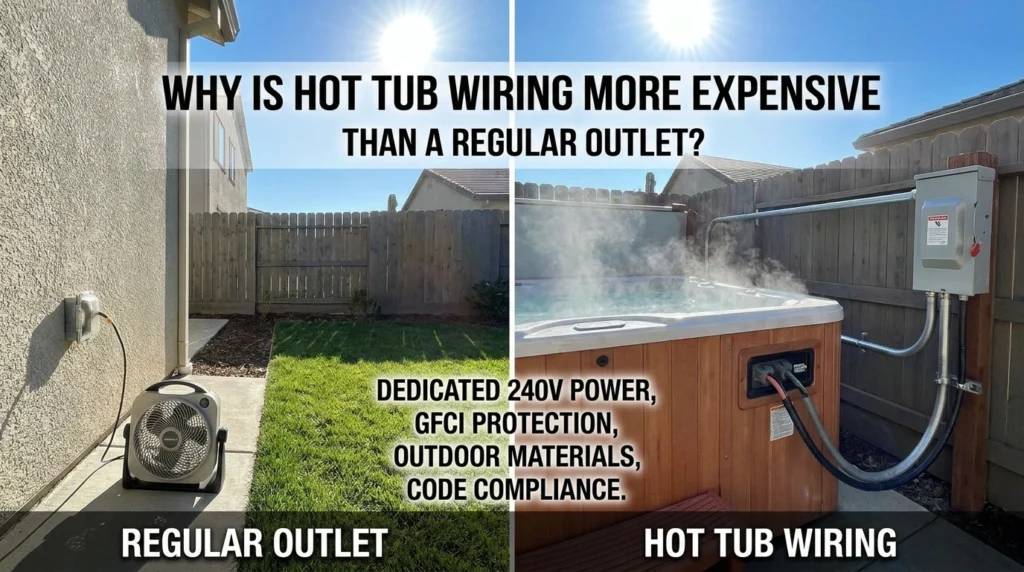
A hot tub is not like adding a basic backyard outlet. Most full-size hot tubs require a dedicated 240V circuit, commonly around 50 amps, although the exact requirement depends on the spa manufacturer. That circuit cannot be shared with patio lights, garage outlets, pool equipment, or general outdoor receptacles.
The electrician has to size the breaker, wire, conduit, disconnect, and GFCI protection correctly. The work also has to account for water, weather, grounding, bonding, and clearances around the spa.
Dedicated 240V Power
Many portable spas need a 240V circuit so the heater and jets can run properly. Some smaller plug-and-play models use 120V power, but those usually heat more slowly and may not perform the same as a full-size spa.
GFCI Protection
Because people are sitting in water while electrical equipment is running nearby, GFCI protection is not optional. A properly installed GFCI device helps shut power off if it detects a ground fault.
Outdoor-Rated Materials
Outdoor spa wiring needs materials built for heat, moisture, sun exposure, and physical protection. Sacramento summers are hard on outdoor electrical work, so cheap material choices are not worth the risk.
Code-Compliant Disconnect Location
A spa disconnect must be accessible and located properly in relation to the hot tub. It should be close enough for service access, but not placed where someone can reach it from inside the water.
What Affects Hot Tub Wiring Cost in Sacramento?
The biggest pricing mistake homeowners make is assuming the hot tub wiring quote is based only on the spa model. The spa matters, but the house matters more.
Distance From the Electrical Panel
Distance is usually the biggest cost driver. A hot tub located 10 to 20 feet from the panel is a very different project than one placed 80 to 100 feet away on the far side of the yard.
Longer runs require more copper wire, more conduit, more fittings, more labor, and sometimes trenching. If the wiring has to go around concrete, landscaping, retaining walls, or a finished patio, cost goes up quickly.
Panel Capacity
A hot tub can add a serious load to the home. Before installing the circuit, the electrician should confirm that the electrical panel has enough available capacity.
Many Sacramento-area homes were built before modern electrical demand. Older homes may already be carrying central AC, kitchen appliances, laundry equipment, EV charging, solar equipment, or workshop loads. If the panel is already maxed out, a hot tub circuit may require a panel upgrade or load management plan.
If your panel is older, crowded, or still running on limited capacity, start with an electrical panel inspection or panel upgrade estimate before buying the spa.
Breaker Space
Even when the panel has enough capacity, it may not have enough physical breaker space. That does not automatically mean a full panel upgrade is required, but it does need to be evaluated properly.
Trenching and Underground Conduit
If the hot tub is installed away from the house, underground conduit may be needed. Trenching adds labor and can also require planning around irrigation, roots, concrete, drainage, and existing underground utilities.
Concrete, Decks, and Finished Patios
A hot tub on a finished patio or deck may look simple, but the wiring path can be more difficult. Sometimes conduit has to be routed around hardscape. Sometimes the better solution is to plan the wiring before the concrete pad or deck work is completed.
Permit and Inspection Requirements
Sacramento electrical work involving spas, pools, dedicated circuits, or electrical system changes may require permits and inspection. A permitted installation protects the homeowner, the electrician, and the next buyer of the home.
Why Does Sacramento Make Hot Tub Wiring More Complicated?
Sacramento has a mix of older housing, high summer electrical demand, outdoor living spaces, and different local jurisdictions. That combination makes hot tub wiring more than a simple material-and-labor quote.
| Local Factor | Why It Matters for Hot Tub Wiring |
|---|---|
| Older homes | Many Sacramento homes have older panels, limited capacity, or outdated wiring layouts. |
| Hot summers | Air conditioning already places heavy demand on panels during peak season. |
| Outdoor living spaces | Hot tubs are often placed on patios, decks, or backyard pads that require outdoor conduit planning. |
| Different jurisdictions | City of Sacramento, Sacramento County, Citrus Heights, Elk Grove, and other cities may handle permits differently. |
| Panel upgrade needs | Adding a spa may expose an older panel that cannot safely support another large load. |
This is why a phone quote is usually rough at best. A real estimate should consider the panel, the spa specifications, the proposed spa location, the wiring path, and permit requirements.
Do You Need a Permit for Hot Tub Wiring in Sacramento?
In most cases, yes, you should expect a permit or inspection requirement for new hot tub wiring in Sacramento. The City of Sacramento identifies permits as required for many projects involving repairs or changes to electrical systems, and it also lists swimming pools and spas among permit-related work categories.
The exact process depends on where the home is located. A home inside the City of Sacramento may follow a different permit process than a home in unincorporated Sacramento County, Elk Grove, Roseville, Citrus Heights, or Rancho Cordova.
The practical answer is simple: if the project adds a new dedicated 240V circuit, outdoor conduit, GFCI spa equipment, or panel changes, have a licensed electrician confirm the permit path before work starts.
Skipping permits may look cheaper at first, but it can create problems later during home sale inspections, insurance claims, warranty disputes, or service calls.
Can Your Existing Electrical Panel Handle a Hot Tub?
Sometimes yes. Sometimes no. The only responsible answer comes from checking the panel and doing a load evaluation.
A 200-amp panel with open space and normal household demand may be able to support a hot tub circuit. A 100-amp panel, older panel, overloaded panel, or panel with no breaker space may not.
Signs Your Panel May Need Attention First
- Breakers trip often: This can point to overloaded circuits or other electrical problems.
- The panel is full: No open breaker space can complicate a new hot tub circuit.
- The panel is old: Older panels may not be ideal for today’s electrical demand.
- You already added major loads: EV chargers, HVAC upgrades, induction ranges, and workshop equipment all matter.
- There are signs of heat or corrosion: Rust, buzzing, burning smells, or warm breakers need immediate attention.
If the panel is the limiting factor, Old Town Electric can review your options for panel upgrades and electrical panel repairs in Sacramento. The right answer may be a panel upgrade, subpanel, circuit rearrangement, or another code-compliant approach based on the home.
Is 120V or 240V Better for a Hot Tub?
Most homeowners looking for a full-size spa should plan for 240V wiring. A 120V plug-and-play spa can work for smaller tubs, renters, or very light use, but it usually has performance limits.
| Option | Best For | Electrical Notes |
|---|---|---|
| 120V plug-and-play spa | Small tubs, lower upfront cost, temporary setups | May plug into a proper GFCI-protected outlet, but performance is limited. |
| 240V hardwired spa | Most full-size hot tubs | Usually requires a dedicated circuit, GFCI protection, disconnect, and professional installation. |
The better choice depends on how you will use the spa. If you want stronger heating, better jet performance, and long-term reliability, 240V is usually the right direction. If you only want a small entry-level tub, 120V may be enough.
What Should Be Included in a Hot Tub Wiring Estimate?
A proper estimate should not just say “wire hot tub.” It should explain what is included, what is not included, and what could change after inspection.
- Panel evaluation: The electrician should check capacity, breaker space, panel condition, and grounding.
- Spa specifications: The circuit should match the manufacturer’s amperage and wiring requirements.
- Wiring route: The estimate should account for distance, conduit, trenching, wall penetrations, and outdoor access.
- GFCI protection: The quote should include the correct GFCI breaker or spa disconnect equipment.
- Permit handling: If a permit is required, the estimate should clarify who handles it.
- Inspection readiness: The installation should be completed in a way that can pass inspection.
- Exclusions: Concrete cutting, trench restoration, landscaping repair, or spa delivery may not be included unless stated.
For dedicated circuits beyond hot tubs, see our Sacramento circuit installation services.
When Is Hot Tub Wiring Worth the Cost?
Hot tub wiring is worth the cost when the spa will be used regularly, the installation is planned correctly, and the electrical system can support it safely.
It Usually Makes Sense When:
- You plan to use the spa year-round: A proper 240V setup gives better performance and fewer nuisance problems.
- You are investing in a quality hot tub: A $7,000 to $15,000 spa should not be connected with cheap or questionable wiring.
- Your panel is already in good condition: If capacity is available, the project can stay in the standard cost range.
- You are improving your backyard: Wiring is easier to plan before patio, deck, or concrete work is finished.
It May Not Make Sense Yet When:
- Your panel needs major work: The hot tub may trigger a larger electrical upgrade you were not ready to fund.
- The spa location is poorly planned: A far corner of the yard can make the electrical work much more expensive.
- You are buying a temporary spa: A smaller 120V model may be more practical for short-term use.
- The backyard is not ready: Fix the pad, drainage, access, and final location before running electrical.
The worst move is buying the hot tub first and asking about electrical later. The smarter move is to confirm wiring feasibility before delivery.
How Can Sacramento Homeowners Reduce Hot Tub Wiring Costs?
You cannot always make hot tub wiring cheap, but you can avoid unnecessary cost. Good planning matters.
- Pick the spa location carefully: Closer to the panel usually means less wire, conduit, and labor.
- Get the spa electrical specs first: The electrician needs the manufacturer’s required amperage and wiring instructions.
- Plan before concrete or deck work: Electrical conduit is easier to route before hardscape is finished.
- Check the panel early: Do not wait until delivery day to find out the panel cannot support the load.
- Avoid handyman wiring: Water and electricity are not the place to save a few hundred dollars.
- Bundle related electrical work: If you also need outdoor outlets, lighting, or panel work, it may be more efficient to plan everything together.
After working on electrical systems across Sacramento-area homes, we can say this clearly: the cheapest quote is not always the cheapest final result. A poor installation can lead to breaker trips, failed inspections, equipment damage, or serious safety risk.
What Questions Should You Ask Before Hiring a Hot Tub Electrician?
Before hiring anyone for spa wiring, ask direct questions. A qualified electrician should be able to answer them without guessing.
- Are you licensed and insured for electrical work in California?
- Will you check my panel capacity before quoting the final job?
- Will the circuit match my spa manufacturer’s requirements?
- Is GFCI protection included?
- Where will the disconnect be installed?
- Will this require a permit or inspection in my jurisdiction?
- Is trenching, concrete cutting, or restoration included?
- What happens if the panel does not have enough capacity?
If the contractor gives a firm price without asking about the panel, spa specs, or distance from the panel to the hot tub, be careful. That quote may be incomplete.
Bottom Line: How Much Should You Budget for Hot Tub Wiring in Sacramento?
For most Sacramento homeowners, a realistic hot tub wiring budget is $1,500 to $4,500. If the spa is close to the panel and the electrical system is ready, the project may stay near the lower end. If the hot tub is far from the panel, trenching is needed, or the panel must be upgraded, the total can move above $5,000 to $10,000+.
The safest way to budget is to have the panel and spa location checked before delivery. That gives you a real number, not a guess.
Old Town Electric provides code-compliant pool, spa, and hot tub electrical services in Sacramento, along with dedicated circuit installation, panel upgrades, and residential electrical repairs. Call (916) 307-0990 to schedule a free estimate.