Quick Answer: Subpanel installation in Sacramento typically costs $800 to $2,500, depending on amperage, wire run distance, and permit requirements. A 60-amp subpanel for a garage runs $800-$1,200. A 100-amp subpanel for an ADU or workshop runs $1,200-$2,000. Sacramento permits add $150-$400 to most jobs.
Sacramento homeowners are adding subpanels at a faster rate than ever before. Detached garages getting converted into workshops. ADUs going up in backyards. EV chargers getting added without enough capacity at the main panel. Home offices and sunrooms requiring dedicated circuits that the original panel was never designed to handle.
If you are researching subpanel installation cost in Sacramento, this guide covers real 2026 pricing by amperage, what drives costs up or down in our market, how Sacramento permits work, and when a subpanel is the right call versus upgrading the main panel instead. Old Town Electric has installed subpanels across Sacramento, Citrus Heights, Roseville, Elk Grove, and the surrounding area – so this reflects what we actually see on the job.
Table of Contents
How Much Does Subpanel Installation Cost in Sacramento?
Subpanel installation in Sacramento typically runs $800 to $2,500 for most residential projects. That range covers labor, materials, the panel unit itself, breakers, and permit fees. Here is a breakdown by the most common amperage sizes we install:
| Subpanel Size | Typical Use Case | Sacramento Cost Range |
|---|---|---|
| 60 amp | Detached garage, shed, small workshop | $800 – $1,200 |
| 100 amp | ADU, large workshop, pool/spa equipment | $1,200 – $2,000 |
| 125 amp | Larger ADU, home addition, multiple circuits | $1,500 – $2,500 |
| 200 amp | Full guest house, large ADU with EV charger | $2,000 – $3,500+ |
Sacramento costs run about 15-25% above national averages (HomeGuide pegs the national average at $1,200 for a 100-amp subpanel). The California labor market, SMUD inspection requirements, and the cost of copper wire all push local prices higher.
What Factors Affect Subpanel Installation Cost in Sacramento?
No two subpanel jobs are identical. Here are the variables that have the biggest impact on your final price:
Distance from the Main Panel
Wire is priced by the foot – typically $7 to $10 per linear foot for the feeder cable connecting your main panel to the new subpanel. A subpanel installed 20 feet away in an attached garage costs far less in materials than one running 80 feet to a detached ADU in the backyard. If the run has to go underground, trenching adds another $8 to $14 per foot. On a 60-foot run, that alone can add $500 or more to the project.
Amperage and Panel Size
Bigger panels cost more in materials and require heavier-gauge wire. A 60-amp subpanel uses 6-gauge copper wire. A 100-amp subpanel requires 2-gauge or 1/0 aluminum feeder. The difference in materials alone can be $200-$400 on a longer run. We always size slightly above current needs – adding capacity now is far cheaper than pulling a second permit and adding wire later.
Main Panel Capacity
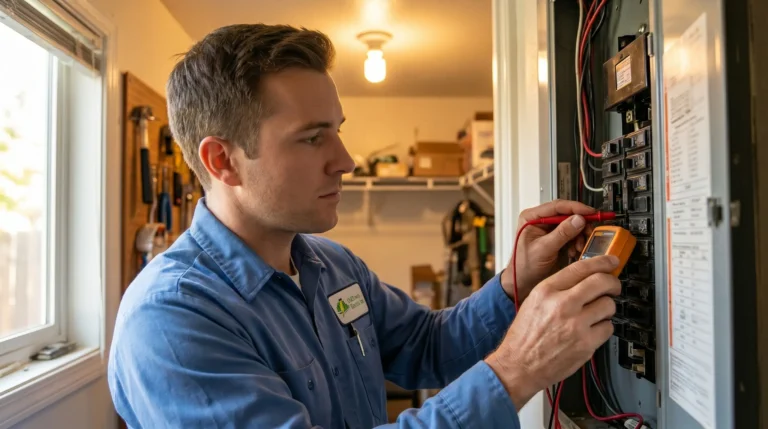
This is the variable most homeowners overlook. Before we can install a subpanel, the main panel needs available capacity – meaning open breaker slots and enough spare amperage to support the new load. Older Sacramento homes built in the 1950s, 1960s, and 1970s often have 100-amp main panels that are already near capacity. If your main panel is full or undersized, we may need to upgrade it before the subpanel can go in. A main panel upgrade adds $1,500 to $3,500 to the total project cost but is sometimes unavoidable.
Location and Mounting Surface
Interior walls are easier than exterior concrete. Finished drywall that needs to be cut and patched adds labor. Subpanels in crawlspaces or attics with limited access take longer to wire. A straightforward garage installation is faster than running conduit through a finished living space.
Permit and Inspection Fees
Subpanel installation always requires a permit in Sacramento. The City of Sacramento and Sacramento County both have electrical permit programs – fees typically run $150 to $400 for a subpanel, depending on the scope of work. This is in addition to a required electrical inspection. Budget $150 to $400 in permit and inspection fees on most residential subpanel jobs. Permits are not optional. Unpermitted electrical work will surface during a home sale inspection and can create serious liability.
Why Do So Many Sacramento Homeowners Need Subpanels Right Now?
Three things are converging in Sacramento that are driving subpanel demand higher than we have ever seen:
ADUs Are Everywhere
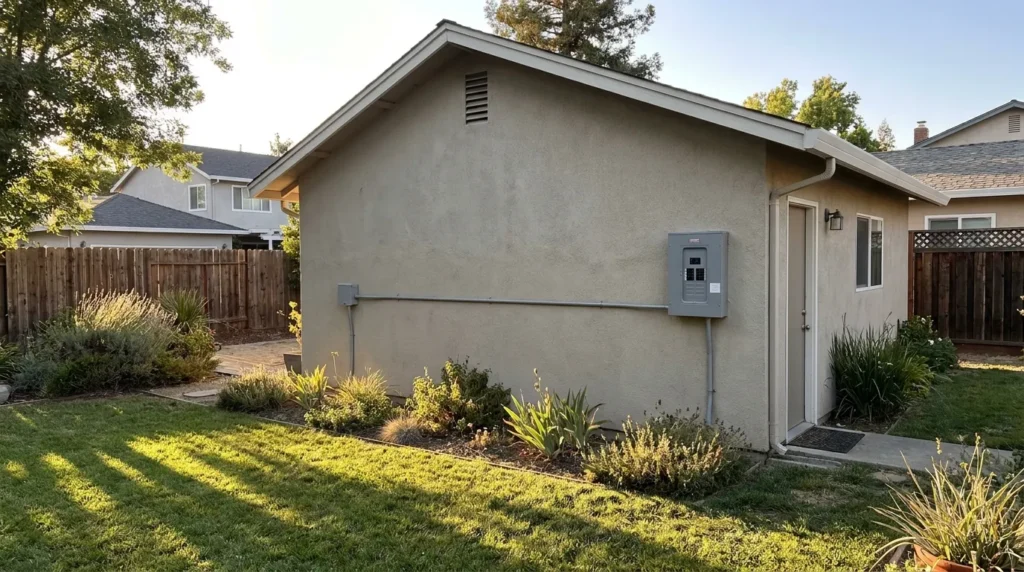
California’s ADU law changes over the last several years have made it dramatically easier to add a backyard cottage, garage conversion, or attached unit. Sacramento County and the City of Sacramento have both streamlined ADU permitting. When an ADU goes in the backyard, it almost always needs its own dedicated electrical feed – and a 100- to 125-amp subpanel is the standard solution. Most ADUs need enough capacity for HVAC, kitchen appliances, laundry, and a future EV circuit.
EV Chargers Require Dedicated Circuits
A Level 2 EV charger requires a dedicated 240-volt, 50-amp circuit. Many Sacramento homeowners buying their first EV discover that their main panel is already at capacity. Rather than rearranging breakers or juggling circuits, a small subpanel in the garage gives them a clean, code-compliant solution with room to add a second charger circuit later. SMUD offers rebates on EV charger equipment – but the charger still needs a proper electrical installation to qualify.
Home Additions and Workshops
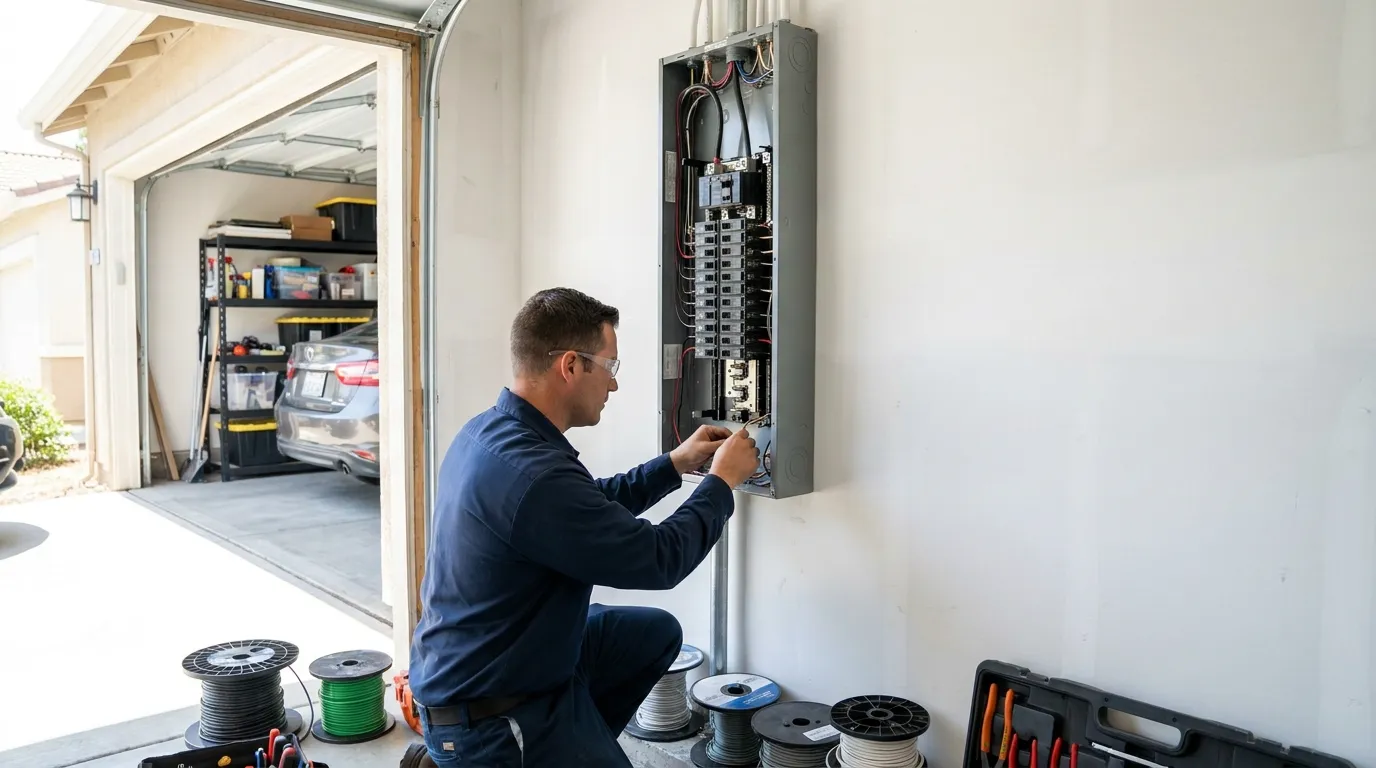
Sacramento’s older housing stock – especially the ranch homes and bungalows built in the postwar era across Citrus Heights, Rancho Cordova, and South Sacramento – were wired for a fraction of today’s electrical load. A homeowner adding a workshop with a table saw, air compressor, and dust collector cannot run those tools off the same circuits as the house. A 60-amp subpanel in the garage gives those tools their own dedicated power source without overloading the main panel.
What Is the Difference Between a Subpanel and a Main Panel Upgrade?
We get this question on almost every subpanel consultation. The short answer: they solve different problems.
When a Subpanel Is the Right Answer
A subpanel makes sense when your main panel has available capacity – meaning spare amperage and open breaker slots – but the new load is located far from the main panel (garage, backyard structure, ADU), or when you want to isolate a specific use (workshop, EV charging, pool equipment) on its own dedicated feed. The subpanel draws power from the main panel and distributes it locally. It does not add capacity to your home’s overall service – it redistributes what you already have.
When a Main Panel Upgrade Makes More Sense
If your main panel is already at or near its rated capacity – common in Sacramento homes with original 100-amp service – adding a subpanel may not be possible without first upgrading the main panel. Signs your main panel may be limiting you include breakers tripping frequently, flickering lights when appliances kick on, or a panel that is already full with no open slots. A panel upgrade from 100 to 200 amps typically costs $1,500 to $3,000 and gives you the headroom to add both a subpanel and future circuits. For more detail on what is involved in subpanel wiring, see our guide on how to wire a subpanel safely.
How Do Sacramento Electrical Permits Work for Subpanels?
Every subpanel installation in Sacramento requires a permit – no exceptions. Here is how the process works when Old Town Electric handles a subpanel job:
- We pull the permit before we start. As a licensed California electrical contractor (Lic. #1099728), we handle all permitting on your behalf. You do not need to deal with the City of Sacramento Building Department or Sacramento County directly.
- Permit fees run $150-$400. The exact amount depends on the scope of work and which jurisdiction covers your property. City of Sacramento and Sacramento County have slightly different fee schedules.
- An electrical inspection is required after installation. Once the work is complete, a city or county inspector signs off that the installation meets NEC and California Title 24 requirements. We schedule that inspection for you.
- Unpermitted work creates real problems. If a subpanel was installed without a permit and shows up during a home sale inspection, it can kill a deal or require expensive remediation. Always insist on permitted work.
Most Sacramento subpanel permits are approved within 3 to 7 business days. On a straightforward job, we can often have the permit, installation, and inspection wrapped up within one to two weeks.
Is a Subpanel Worth It for Sacramento Homeowners?
Yes – When You Have a Specific Use Case
If you are adding an ADU, converting a garage into a workshop, installing an EV charger in a detached structure, or wiring a pool or spa, a subpanel is almost always the right answer. The cost – $800 to $2,500 – is modest compared to the flexibility it provides. It also protects the rest of your home’s circuits from the high draw of power tools, EV charging, or HVAC equipment.
Think Twice If Your Main Panel Is the Real Problem
If you are tripping breakers throughout the house, losing power when the AC kicks on, or running on original 100-amp service in a home that has grown in size and electrical demand, the subpanel is not going to fix the underlying issue. In those cases, we recommend starting with a main panel evaluation. Adding a subpanel on top of an undersized main panel is like adding a lane to a highway that feeds into a one-lane bridge.
What Should Sacramento Homeowners Ask Before Getting a Subpanel Quote?
- What is my main panel’s current amperage and available capacity? A licensed electrician should pull the panel cover and do a load calculation before quoting a subpanel.
- How far is the new subpanel from the main panel? Wire run distance is one of the biggest cost variables – have that measurement ready.
- Is the run interior or does it need to go underground? Trenching significantly changes the scope of the job.
- What will the subpanel power? Sizing the subpanel correctly requires knowing the loads it will serve – a 60-amp panel for a small garage is very different from a 100-amp panel powering an ADU with full HVAC.
- Does the contractor carry a CSLB license and pull permits? In California, any electrical work requiring a permit must be performed by a licensed contractor. Ask for the license number and confirm it is active on the CSLB website.
Bottom Line – What Will a Subpanel Cost in Sacramento?
For most Sacramento homeowners, expect to budget $800 to $2,500 for a properly permitted subpanel installation, depending on the amp size and the distance of the wire run. Jobs that require underground trenching, main panel work, or a longer feeder run will land toward the top of that range or above it.
The bigger cost mistake is skipping the permit or hiring an unlicensed handyman to save money. Unpermitted electrical work does not meet code, creates safety risks, and will surface during any future home sale inspection. A properly installed, inspected subpanel is a permanent upgrade that adds real value.
Old Town Electric serves Sacramento, Citrus Heights, Roseville, Elk Grove, Rancho Cordova, Folsom, and the surrounding area. If you are ready to get a quote on a subpanel installation, give us a call at (916) 307-0990 or contact us online. We will assess your main panel, determine the right subpanel size, and give you a clear written estimate before any work starts.
Frequently Asked Questions
How much does subpanel installation cost in Sacramento?
Subpanel installation in Sacramento typically costs $800 to $2,500 for most residential projects. A 60-amp subpanel for a garage runs $800-$1,200. A 100-amp subpanel for an ADU or larger workshop runs $1,200-$2,000. Costs include labor, materials, the panel and breakers, and permit fees. Sacramento costs run 15-25% above national averages due to California labor rates and copper wire costs.
Do I need a permit for a subpanel installation in Sacramento?
Yes. Subpanel installation always requires a permit in Sacramento, whether you are in the City of Sacramento or unincorporated Sacramento County. Permit fees typically run $150 to $400 depending on the scope of work, and a city or county inspection is required after installation. A licensed C-10 electrical contractor must pull the permit. Unpermitted subpanel work creates liability and will surface during a home sale inspection.
How long does subpanel installation take in Sacramento?
Most residential subpanel installations take 4 to 8 hours of labor for a licensed electrician. The permit process typically takes 3 to 7 business days in Sacramento. From permit application to final inspection, most jobs wrap up within one to two weeks. More complex jobs involving underground runs or main panel work may take longer.
What size subpanel do I need for a garage or ADU in Sacramento?
For a basic detached garage with lighting and outlets, a 60-amp subpanel is usually sufficient. For a workshop with power tools, a hot tub, or pool equipment, 60-100 amps is standard. For an ADU with full HVAC, kitchen, laundry, and a future EV circuit, size up to 100-125 amps. Always size for future load – adding amperage later means pulling a new permit and running new wire.
Can I install a subpanel myself in Sacramento?
In California, subpanel installation is considered electrical work that requires a permit. While a homeowner can technically pull a homeowner permit for their own primary residence in some cases, the work must still pass a city inspection and meet NEC and California Title 24 requirements. In practice, the complexity of load calculations, proper grounding, and code compliance makes it a job for a licensed C-10 electrical contractor. Improperly installed subpanels are a fire and safety risk.
What is the difference between a subpanel and upgrading my main panel?
A subpanel draws power from your existing main panel and distributes it to a specific location – like a garage, ADU, or workshop. It does not add to your home’s total electrical service capacity. A main panel upgrade increases your home’s total service – typically from 100 to 200 amps – and gives you more headroom for all circuits. If your main panel is already near capacity, you may need a panel upgrade before a subpanel can be added.