If you’re a homeowner or business owner around Sacramento and you’ve ever wondered about adding a heavy-duty receptacle, here’s the thing: understanding a 240 volt outlet is key to doing it right. I’ve been wiring homes across the Sacramento region for over a decade, and I’ve seen both great installs and ones that were… let’s say, less than ideal.
Let’s break down what a 240 volt outlet is, when you need one, how to install it properly, and how to stay safe doing it.
Table of Contents
What Is a 240 Volt Outlet?
In simplest terms: most of your wall plugs are 120 volts. But when you plug in an oven, dryer, central AC, or EV charger, you’re dealing with more juice. A 240 volt outlet uses two hot wires (each roughly 120 volts relative to neutral) to deliver higher voltage and power.
From what I’ve seen working in older neighborhoods in Rancho Cordova, many homes already have 240-volt outlets for dryers, but not always in the best spot or with up-to-date wiring.
Here’s a quick comparison:
| Feature | 120V Outlet | 240V Outlet |
|---|---|---|
| Voltage | ~120 volts | ~240 volts (two 120V lines) |
| Common Uses | Lamps, TVs, small appliances | Ovens, dryers, EV chargers |
| Wiring | Hot + Neutral (+ Ground) | Two Hots + Neutral and/or Ground |
| Breaker | Single-pole breaker | Double-pole breaker |
Truth is: if you try to plug a large appliance into a standard 120V outlet when it needs 240V, you risk tripping breakers or worse.
Typical Uses of a 240 Volt Outlet in Sacramento Homes
In my experience working on homes across Sacramento, from Citrus Heights to Elk Grove, there are a few common uses for 240 volt outlets.
Heavy Appliances
- Electric range or cooktop
- Clothes dryer
- Large water heater or heat pump
- Central air conditioner or mini-split system
These appliances draw serious power. They need the extra voltage to run efficiently and safely.
EV Charging & Future-Proofing Your Home
If you’re planning to buy an electric vehicle, you’ll want a 240 volt outlet. EV chargers like the Tesla Wall Connector or standard NEMA 14-50 plugs run far more efficiently at 240V.
I’ve inspected plenty of older garage outlets around East Sacramento and seen loose clamps or overheating wires from improper installs. That heat comes from resistance, and it’s a fire risk. So if you’re adding a charger, get it done right the first time.
Workshops & Heavy Tools
Whether it’s a home garage in Rancho Cordova or a small business workshop in Natomas, 240V outlets power welders, compressors, and larger saws. Running those tools on standard voltage can damage equipment or trip circuits constantly.
Safety Tips for 240 Volt Outlets
Working around 240 volts isn’t drastically harder than 120V wiring, but the margin for error is smaller. A mistake that might just trip a 120V breaker can burn out a 240V appliance or shock you.
Match the Wiring to the Load
- Use the correct gauge wire (8- or 6-gauge for larger circuits).
- Ensure the breaker size matches both the wiring and the outlet.
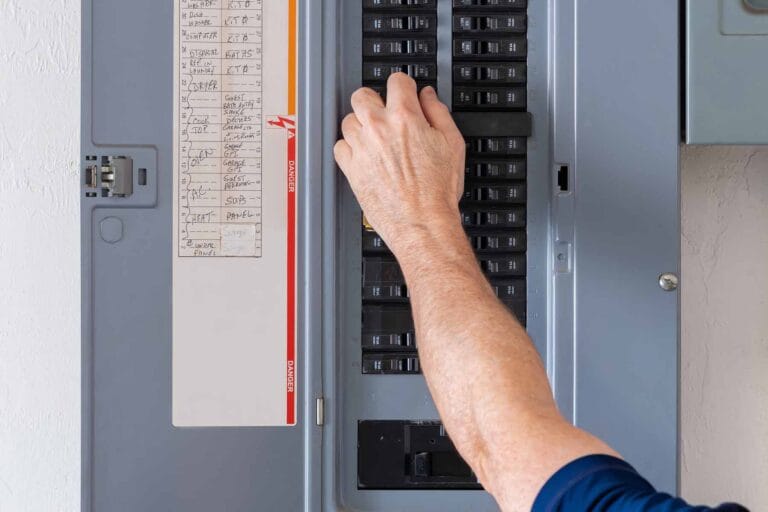
- Always use a double-pole breaker so both hot wires shut off together.
Know Your Outlet Type: 3-Prong vs. 4-Prong
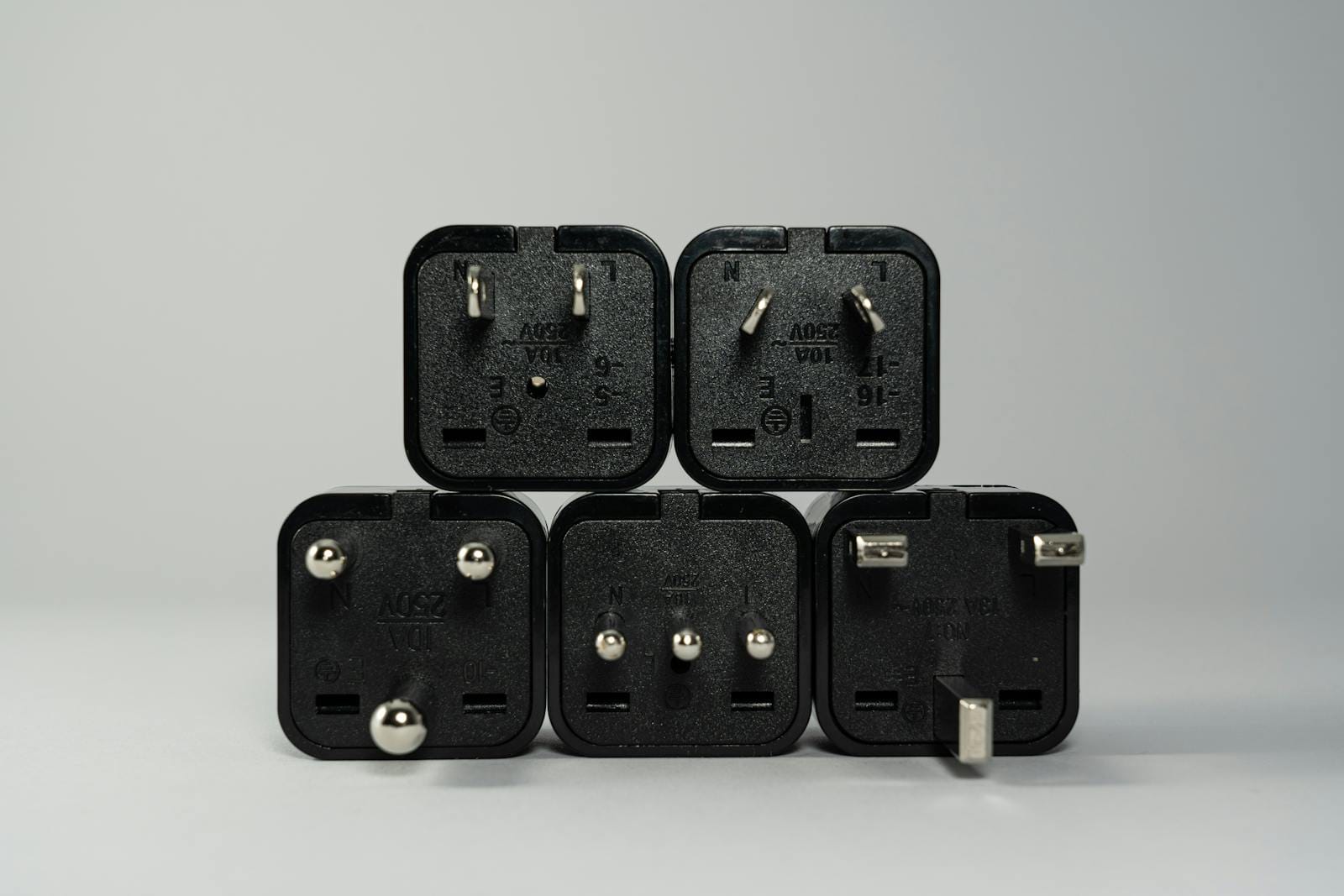
Older Sacramento homes often have 3-prong outlets (two hots + neutral). Modern code calls for 4-prong outlets (two hots + neutral + ground) to reduce shock risk.
If you’re remodeling a laundry area in a 1960s-era home, check the outlet type before plugging in a new dryer. Updating to 4-prong is the safest move.
Check for Heat or Damage
I once got a call from a homeowner in Citrus Heights who said their EV charger plug felt warm. When I checked, the outlet clamp was loose, resistance had been building heat behind the faceplate.
Look for:
- Loose or wobbly outlets
- Discoloration or melting
- Scorch marks or a burning smell
- Breakers that trip under normal use
These are warning signs. Don’t ignore them.
Pull Permits and Stay Code-Compliant
In Sacramento County, adding a new 240V circuit typically requires an electrical permit and inspection. Skip it, and you could face insurance problems or failed resale inspections.
If you ask me, 240V work is not for first-time DIYers. Hire a licensed electrician who knows local code and has the right tools.
Installation Info for Sacramento Homes
Installing a 240 volt outlet in Sacramento isn’t just about running a new wire. You need to plan, size, and route everything carefully.
Pre-Installation Checklist
- Identify the appliance — Dryer, EV charger, or oven? Each has its own amperage requirement.
- Check panel capacity — Older Sacramento homes often have full or outdated panels. You may need a subpanel or upgrade.
- Plan location carefully — In garages, mount outlets away from direct sun or water sources.
- Choose proper cable and outlet — Most 240V circuits use two hot wires and a ground, sometimes also a neutral.
Step-by-Step Installation Overview
(For illustration only — not DIY instructions)
- Shut off the main power.
- Mount an approved electrical box at the outlet location.
- Run the proper cable from panel to box using conduit or NM-B cable.
- Install a double-pole breaker of the correct amperage.
- Connect two hot wires to the breaker and ground/neutral to the bars.
- Wire the outlet correctly, securing connections tightly.
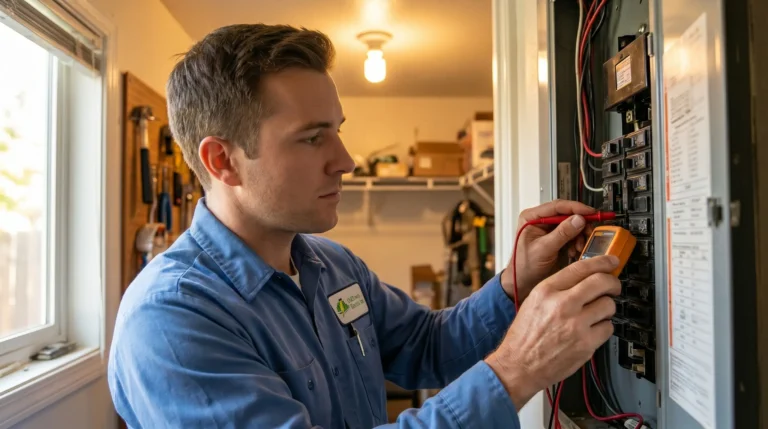
- Restore power and test with a voltmeter (expect ~240V).
- Label the breaker clearly (e.g., “240V Dryer” or “EV Charger”).
- Schedule inspection if required by the city.
Typical Costs for Sacramento Area Homes
Pricing depends on distance, accessibility, and the type of outlet, but here’s what I usually see:
| Installation Type | Typical Cost (Sacramento) |
|---|---|
| Dryer Outlet (30 amp) | $400 – $650+ |
| Range or EV Outlet (50 amp) | $800 – $1,500+ |
| Panel Upgrade + Multiple Outlets | $2,000 + |
Homes in areas like Elk Grove or East Sacramento with older wiring may cost more due to wall access or panel limitations.
Common Mistakes (and How to Avoid Them)
I’ve fixed plenty of 240V installs gone wrong. The most common issues?
- Undersized wire or breaker — Can overheat and cause breaker trips.
- Wrong outlet type — Using 3-prong where 4-prong is required.
- Loose connections — Cause heat buildup and melted outlets.
- Skipping permits — Leads to failed inspections and safety issues.
- Bad placement — Installing outlets in high-heat or wet areas.
If you’re unsure about any of these, it’s cheaper to get a quick professional inspection than to replace burned wire later.
Why Proper 240V Wiring Matters in Sacramento
Sacramento’s hot summers mean air conditioners, EV chargers, and appliances all run hard. Having properly installed 240 volt outlets means:
- Less strain on your electrical system
- Lower risk of overheating
- Better appliance performance
- Higher resale value
I’ve walked through dozens of homes in Natomas and Midtown where proper 240V wiring was a selling point. Buyers notice quality electrical work.
Quick Safety Checklist
Before you plug in:
- Outlet is secure, faceplate tight
- No discoloration or damage
- Voltage between hots measures around 240V
- Breaker labeled and correctly rated
- Plug type matches outlet (3- or 4-prong)
If something feels off, call an electrician. Don’t take chances with 240V.
Takeaway for Sacramento Homeowners
Installing or using a 240 volt outlet doesn’t have to be complicated — but it does have to be safe.
You need one for any high-power appliance or EV charger. Make sure the wiring, breaker, and outlet type all match, and don’t skip permits or inspections.
From my years working on homes across Citrus Heights, Folsom, and Roseville, I can tell you: good electrical work pays off. It keeps your home safe, efficient, and ready for the future.
Need help installing or upgrading a 240V outlet in Sacramento?
Contact us today for a licensed, code-compliant installation, done once, done right.