You ever walk into a room and it just doesn’t feel right? Like, it’s colder than it should be or maybe way too hot? A lot of times, that’s a thermostat issue. I mean, when your thermostat has no power, it’s like your whole heating or cooling system is just… off. Let me break this down for you.
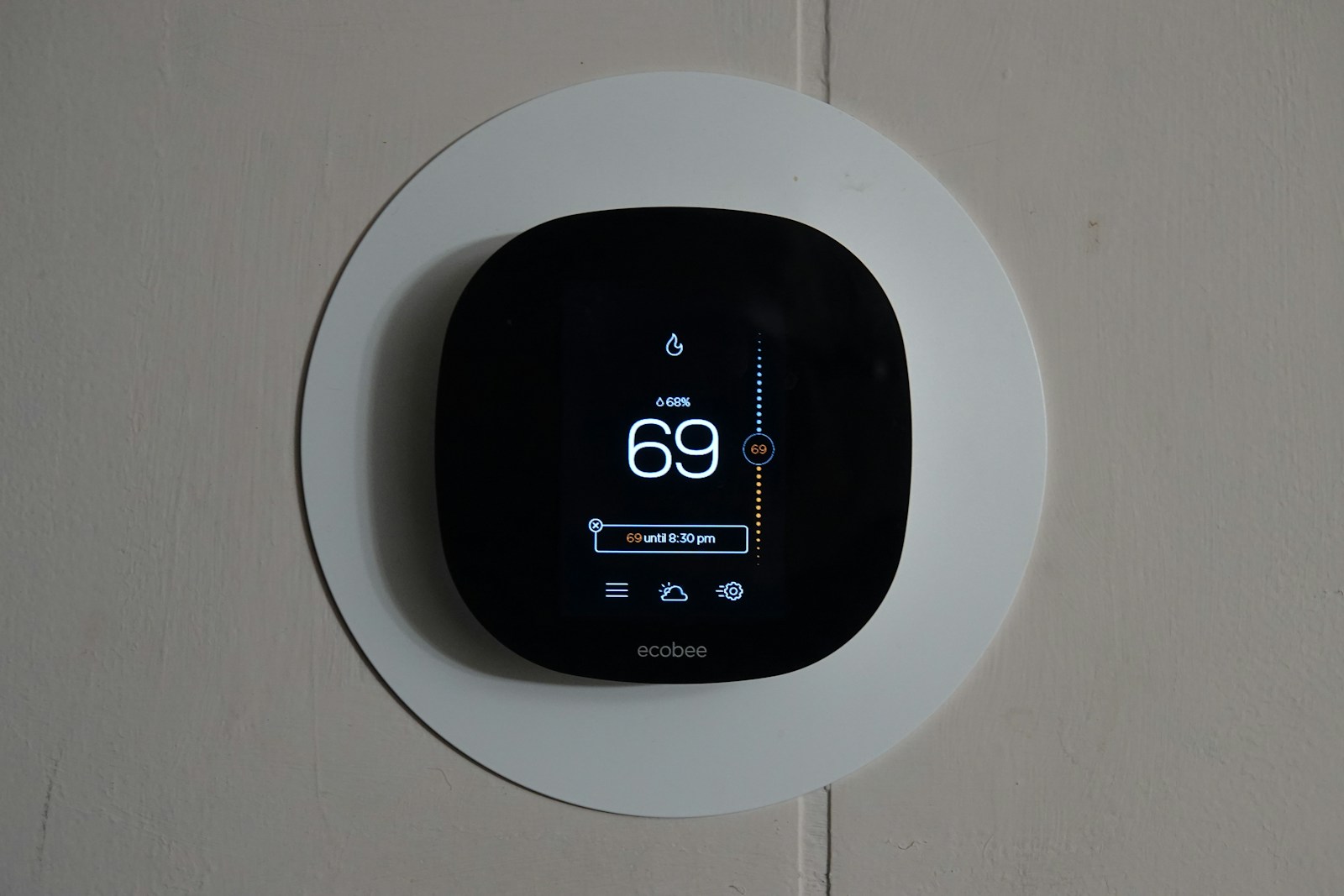
So let’s start with the basic components of a thermostat. It’s not just a fancy gadget, it’s got some pretty important parts. You’ve got the display, the circuit board, and some wiring that connects to your HVAC system. All these components need to work together like a team.
Now, common causes of power loss in thermostats, oh man, it could be a few things. The batteries, if it’s a battery-operated thermostat, can be a simple fix if they’re dead. Or maybe there’s an issue with the fuse or circuit breaker? I had a job in Rocklin where that was the whole problem—just a blown fuse!
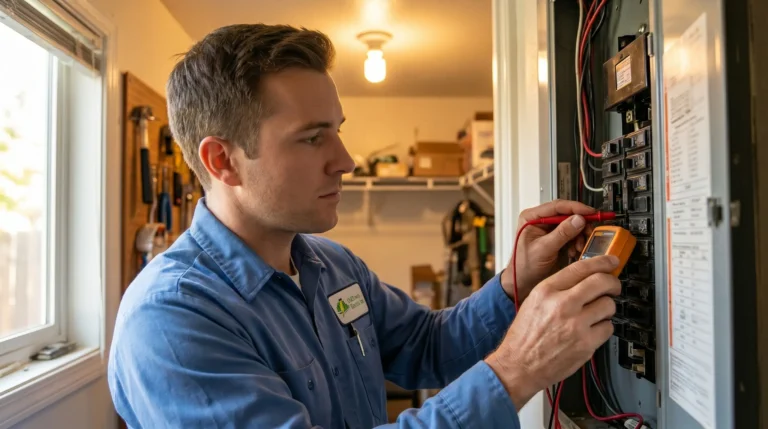
Next up, inspecting your thermostat wiring. That’s crucial. You want to check if there are any loose wires or corrosion. If you’re not familiar with wiring, it can look a bit intimidating. Just remember, safety first! You gotta turn off the power to the unit before poking around.
Now, troubleshooting steps. Start by checking your power supply. If it’s hardwired, see if the system has power. You can check with a voltage tester. And if it’s a smart thermostat, you might need to reset it. It’s like rebooting your computer, but for your thermostat!
And if all else fails, sometimes you really gotta call a pro. I mean, if you’re feeling overwhelmed, there’s no shame in that. Like my buddy who’s an electrician in Folsom, he always says, ‘if you’re unsure, just call someone before you mess things up more!’
And then there’s preventative measures. Regular maintenance is key. Change your air filters, check the batteries, and keep an eye on your wiring. It’s about being proactive instead of reactive. Trust me, you don’t want to be stuck in a heatwave with a failing thermostat!
So that’s kind of the gist on why your thermostat has no power. Not too complicated, but definitely something to look into if you’re having issues.’} ably cut into pieces? Happy to help you out if you need more information!
What Homeowners Should Know
- Understanding the basic components of your thermostat is crucial for troubleshooting power issues.
- Common causes of power loss in thermostats include blown fuses and wiring problems.
- Regularly inspecting thermostat wiring can help identify potential issues before they escalate.
- Establishing simple troubleshooting steps can often resolve power issues without requiring professional help.
- Implementing preventative measures can significantly reduce the likelihood of future power failures in your thermostat.
Basic Components of a Thermostat
First things first, you want to check if the thermostat is properly wired. Sometimes those wires can come loose, especially in older homes around Rocklin where the wiring might not have been updated in a while. And if the batteries are dead, that could totally be it!
Then there’s the circuit breaker. If it’s tripped, that’ll also cut power to the thermostat. I remember another job in Sacramento where the homeowner had no heat because the breaker was flipped for who knows what reason. It’s all about those basic components: the power source, the connections, and the actual unit itself. Oh, and don’t forget about the fuse! If it’s blown, you’re going to run into issues too. Checking voltage at the thermostat can help determine if it’s a supply problem or something deeper.
Just so you know, some newer thermostats require a common wire for power, which can confuse folks if they’re not set up right. If that common wire isn’t connected, well, there you go—why your thermostat has no power. I always recommend checking these things before assuming it’s a bigger problem. It’s much easier than you think.
Common Causes of Power Loss in Thermostats
One common issue is the batteries, believe it or not. If it’s battery-operated, sometimes folks forget to change ’em, and then poof, no power. This one time in Folsom, I had a client call me out for a flickering screen, and, yep, just dead batteries.
Then there’s the wiring. Loose connections can happen, or wear and tear over time can cause problems. Sometimes, I find that the power supply isn’t connected properly. I remember working in Rocklin and battling with old wiring in the walls; it was a real mess, but we sorted it out.
Another thing—sometimes the circuit breaker trips. If you recently had work done, maybe a heavy appliance or something, it could’ve overloaded a circuit.
And let’s not forget about those transformer issues. If the transformer goes bad, BAM! No power, and your thermostat just sits there like a brick. I tend to look for that first when I’m troubleshooting anything like this. It’s a real frustrating puzzle, but once you figure out the cause, it’s usually an easy fix. Anyway, yeah, just remember—check those batteries before you panic!
‘The best place to find a helping hand is at the end of your own arm.’ – Unknown
Inspecting Your Thermostat Wiring
The first thing I’d check is why your thermostat has no power. Could be a simple wiring issue, you know? I did a job in Folsom a couple of weeks back where the wires were all fried due to a loose connection. It’s usually easy to overlook the basics. Sometimes, the power could be cut off at the breaker box or even an issue with your HVAC system. Oh, and it could even be the batteries if it’s one of those battery-operated ones.
You see, it’s essential to inspect the wiring thoroughly. If a wire is frayed or connected improperly, that can cut off your power supply, and suddenly, your thermostat is just a fancy wall decoration. Not a fun scenario. I’ve dealt with customers in Rocklin who had no idea their wiring was the culprit until I got in there and did a little digging. Everyone thinks the thermostat is at fault, but sometimes it’s just not getting the juice it needs. Speaking of which, let’s double-check your circuit breaker while we’re at it… just to be sure.
Troubleshooting Steps for Power Issues
First thing I usually check is the circuit breaker. If it’s tripped, that could be why. Oh, and just the other day, I was out in Folsom, and the homeowner had the same problem—turned out a surge protection device had blown a fuse.
Then there’s the wires. Sometimes the connections get loose, especially if you haven’t updated your system in a while. You might be surprised how often I have to tighten things up when I’m working. And, um, remember to check the batteries if you’ve got a battery-operated thermostat. Fresh batteries can work miracles. I once worked on a job in Rocklin, and it was just dead batteries causing the entire fuss.
Also, look for any sort of signs like corrosion on the unit itself or maybe even a burnt wire. That can definitely steal the power right from your thermostat. You’ve got to be thorough. Oh! And don’t forget about the furnace or AC unit; if they’re off, that could also explain why nothing’s lighting up at the thermostat. Little things like that can really make a difference.
Overall, it’s usually a simple fix, just a bit of detective work sometimes. If you still can’t get it going, I mean, that’s where I come in! Let’s just make sure we catch it early before it becomes a bigger issue. Nothing like a reliable thermostat when you need it, am I right?
When to Seek Professional Help
We’ve been out on jobs in Folsom where it was just a tripped breaker, and that can happen easily. If it’s off, flip it back on and see if that sparks any life into your thermostat. Sometimes it’s as simple as that—easy fix.
Next, if that doesn’t do it, check the batteries if it’s a wireless thermostat. I was at a home in Rocklin last week, and they were stumped until I mentioned the batteries. Lo and behold, they popped in fresh ones and it worked like a charm! Not always the fuse or wiring, folks.
Also, look at the wiring connections. Loose or corroded wires are trouble, and you don’t want to mess with that if you’re not comfortable. Better to call a pro like me if things start looking complicated—safety first. Just remember, if your thermostat has no power, it could also mean there’s a bigger issue with your HVAC system, and that’s where I would come in to help. So, don’t hesitate if you’re unsure—better safe than sorry!
Preventative Measures to Avoid Power Failures
There’s also the circuit breaker, sometimes they flip, and people don’t even realize it. Like in Rocklin, I had a client who thought their entire system was shot. But nope! They just needed to reset that breaker. And while you’re at it, make sure to check the batteries; sometimes it’s the little stuff that trip you up.
Oh, and keep an eye on the wiring; degraded wires can lead to power outages, so it’s really about preventative measures. Once you get those under control, you save yourself a lot of headaches later. You don’t want to be caught off guard when the temperature drops! So yeah, always good to be proactive about all these little things with your thermostat, you know?
Common Questions
What are the basic components of a thermostat?
The basic components of a thermostat include the temperature sensor, a control unit, a display, and wiring that connects it to your heating or cooling system.
What are some common causes of power loss in thermostats?
Common causes of power loss in thermostats include dead batteries, blown fuses, tripped circuit breakers, faulty wiring, or issues with the HVAC system itself.
How can I inspect the wiring of my thermostat?
To inspect your thermostat wiring, first ensure the power is off at the circuit breaker. Remove the thermostat cover and check for loose or damaged wires connected to the R (power) terminal and other terminals.
What troubleshooting steps can I take if my thermostat has no power?
If your thermostat has no power, start by checking the batteries (if applicable), resetting circuit breakers, inspecting the wiring, and ensuring the HVAC system is functioning properly.
When should I seek professional help for thermostat power issues?
You should seek professional help if you’ve tried basic troubleshooting steps and the thermostat still has no power, or if you notice any damage to the wiring or components that may require expert repair.
Old Town Electric is a trusted local electrical company serving Sacramento and all surrounding cities. We provide fast, reliable residential and commercial electrical services backed by licensed professionals and years of hands-on experience. Contact us today to schedule service or request a free estimate.