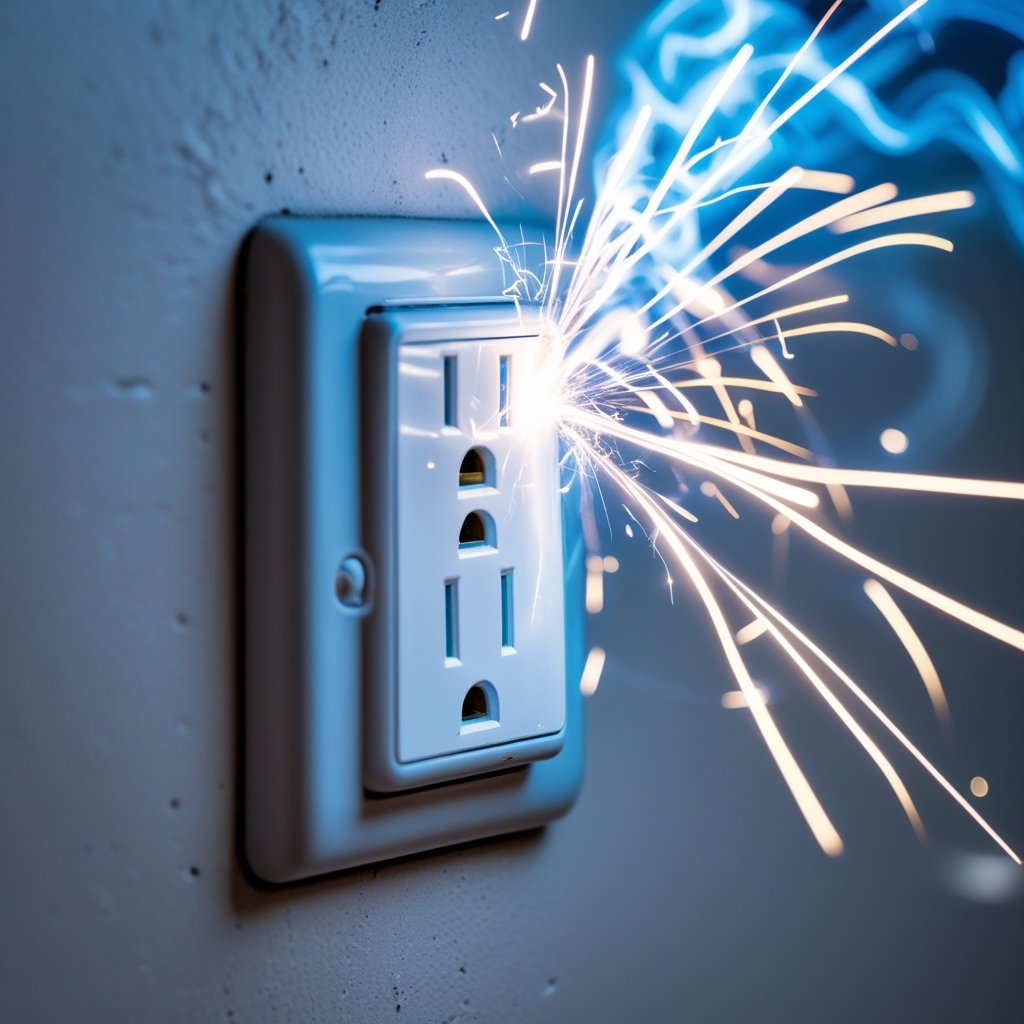
Sparks in outlets can be a real cause for concern, and understanding what causes them is important for ensuring safety in your home. When an electrical current jumps from one conductor to another through the air, it creates a visible spark, known as an arc. This can happen for a number of reasons, often related to poor connections, overloaded circuits, or damaged outlets. It’s crucial to remember that these sparks pose safety risks, such as electrical fires, so knowing how to prevent and mitigate them is key. Regular checks and proper maintenance can go a long way in keeping your electrical systems safe and functional.
What Homeowners Should Know
- Sparks in outlets are caused by electrical discharges between conductors due to various factors.
- Loose connections can significantly increase the likelihood of arc sparks forming in outlets.
- Overloaded circuits contribute to arc formation by causing excess heat and electrical stress.
- Sparks pose serious safety risks, including fire hazards and electrical shocks.
- Implementing proper prevention strategies can mitigate the risks associated with arc sparks in electrical systems.
Understanding Sparks: Definition and Mechanism
When you’re talking about sparks in outlets, it’s really about understanding the flow of electricity and how that can get interrupted. I had a job in Rocklin last week where the homeowner was worried about flickering lights and sparking from the wall, and that’s exactly what we were discussing.
Arc sparks typically happen when there’s a gap in the current flow, and the electricity tries to jump through that gap. It’s like when you’re trying to grab a static shock, but way more dangerous. What causes sparks in outlets often comes down to loose connections, faulty wiring, or even just worn-out outlets. You don’t want to ignore this because it can lead to bigger issues, like fire hazards.
And, oh, don’t get me started on how humidity can affect electrical systems, too. I remember dealing with a similar issue in Folsom; moisture got into the connections, and bam, there were intermittent sparks whenever the homeowner used her toaster. It’s like electricity getting a little too much freedom to roam around where it’s not supposed to!
So yeah, if you’re noticing any weird noises, like crackling, or if there’s a smell near your outlets, it’s good to have an electrician check it out before something serious happens. Better to be safe than sorry!
Common Causes of Sparks in Electrical Outlets
When you see a little spark from an outlet, it can definitely make you wonder, right? I mean, it’s not something you want just hanging around your house. The thing is, what causes sparks in outlets can vary a bit. One of the primary culprits, typically, is loose wiring. I did a job in Folsom last month where the homeowner had that issue, and it was a real safety risk. Basically, if the wires aren’t making good contact, they can cause a little spark, and that’s where the trouble starts.
Another thing I see a lot is damaged outlets or plugs. You know, wear and tear happens over the years. Sometimes I come across outlets that look like they’ve seen better days—maybe kids sticking things in the wrong places or just normal use. If the outlet is cracked or the prongs are bent, that can also lead to some pretty alarming sparks.
And then there’s overloading. I was just at a house in Rocklin where they had so many devices plugged into one outlet that it was practically overloaded. It puts too much strain on the circuit and can create those dangerous arcs.
Now, don’t get me started on faulty appliances! Sometimes the problem is with the device you’re plugging in. If there are issues with the internal wiring of your blender or vacuum, that could cause arcing too. Just something to keep in mind next time you have that odd spark.
Overall, it’s important to keep an eye out for these signs. Better to call someone like me—an electrician—before it turns into something serious. I mean, sparks aren’t just a show; they can lead to fire hazards. So, if you notice it happening more than a few times, let’s take a closer look!
‘Electricity is really just organized lightning.’ – George Carlin
The Role of Loose Connections in Sparking
We often get asked, ‘What causes arc sparks in outlets?’ It’s a real concern and something worth discussing, especially for homeowners here in Sacramento. So, sometimes it’s those loose connections that are the culprits. You see, if the wires aren’t tightened properly, they can create space for the electricity to jump around, which leads to those little arcs. I remember this job I did over in Folsom. Customer was complaining about flickering lights, and it turned out to be a loose wire in an outlet. Scary stuff!
Also, you gotta think about how heat plays a role. Loose connections generate heat, and heat can lead to insulation breakdown, which can start a fire. It’s important to catch these things early.
Hmm, where was I? Right—loose connections, they can cause some serious sparking. You want to make sure everything’s snug, you know? Like when I was out in Rocklin fixing up an outdoor outlet; the connection was so loose, it was practically hanging off. I mean, if you notice any odd buzzing or sparks, it’s best to call an electrician right away. Don’t wait. Safety first!
At the end of the day, keeping those connections tight can save you from all sorts of headaches, and not to mention, protect your home too. So, just stay alert and don’t ignore the signs!
Impact of Overloaded Circuits on Arc Formation
When all of a sudden you see a little spark when you plug something in? It can get a little scary. What causes arc sparks in outlets is usually related to overloaded circuits. I’ve seen it in a few homes in Folsom, and even a couple of jobs up in Rocklin. Basically, when you plug in too many devices, it can exceed what the circuit is designed to handle. That leads to overheating and, bam, you’ve got potential arcing.
You might feel like it’s just a little flicker, but trust me, if you’re seeing sparks, it’s serious. The wires can get damaged, and that can lead to larger issues like electrical fires. And it’s not just about the number of devices; poor connections at the outlet or loose wiring can also contribute to those nasty sparks.
If I were you, I’d keep an eye on how many things you’re running off one outlet. Let’s say you’ve got an extension cord running to a power strip with five devices plugged in – that’s a recipe for trouble. Just last week, I had to rework an entire circuit because someone kept overloading it, and it was starting to affect everything else in their home. You want to avoid that.
So, it’s really about being mindful of what’s on those circuits. If you’re ever in doubt, I’d recommend calling an electrician to check things out. Safety first, you know? You don’t want to ignore those arcs because they can lead to bigger headaches down the line.
Safety Risks Associated with Arc Sparks
One thing that comes up sometimes is what causes arc sparks in outlets. It’s pretty important to understand, especially for safety. So, when you plug something in, sometimes you might see or hear that little spark. That’s an arc, and, well, that can happen for a couple of reasons. Maybe the connections in the outlet are loose or some wiring is worn out—happens more than you’d think, especially in older homes around here, like those in Folsom or Rocklin.
And let me tell you, loose connections create a higher chance for electricity to jump, and that’s the arc. It’s like a mini lightning bolt, and, frankly, it’s dangerous. I’ve seen it firsthand during jobs—one time in a house in Oak Park, we found some really old wiring that could’ve caused serious issues. So, you definitely want to keep an eye on these things, get a pro in for regular checks. Better safe than sorry, right? I mean, nothing should be arcing from your outlets if things are working right. Just a good rule of thumb.
If you ever see sparks, like major ones, that’s a sign to shut it down—don’t mess around with it. Call someone before it turns into a bigger problem. We’re here to ensure everything runs smoothly, keeping you and your home safe. Just remember, those little arc sparks could be a sign of bigger issues lurking behind the walls.
Prevention and Mitigation Strategies for Arc Sparks
When we’re talking about what causes arc sparks in outlets, it’s really all about that connection, right? You know, a loose wire, or maybe even wear and tear, something like old outlets in older homes in Sacramento. Had a job out in Folsom last week where we found some arcing because the wire insulation was just rotten, sparking every time they used the microwave. Dangerous stuff.
But, you want to prevent that? Keeping an eye on your outlets is key. A little movement or warmth when you plug something in can be a hint. And don’t forget to check for any odd smells. If you notice one, it’s time to take action, like call someone like me before it gets worse.
Also, using GFCI outlets in areas like kitchens and bathrooms helps, too. They trip when they detect a fault. I’m always installing them out in Rocklin; people love knowing they’re safe from electrical shock, especially with little kids running around.
But listen, the best prevention is to have regular check-ups on your electrical system. Check your breakers, swap out old outlets, you know, just a little maintenance goes a long way. Believe me, I’ve seen cases where someone waited too long and—boom—arc sparks everywhere. So, yeah, stay proactive!
Common Questions
What are arc sparks in electrical outlets?
Arc sparks in electrical outlets occur when an electrical current jumps across an air gap between conductors, resulting in a visible spark. This phenomenon can indicate electrical faults or hazards.
What are the common causes of arc sparks in outlets?
Common causes include loose connections, damaged wiring, overloaded circuits, and faulty electrical devices. These factors can disrupt the flow of current and lead to arcing.
How do loose connections contribute to arc sparks?
Loose connections can create gaps that allow electricity to arc through the air, causing sparks. These gaps can develop due to wear and tear or improper installation of electrical components.
Can overloaded circuits lead to arc sparks?
Yes, overloaded circuits can lead to arc sparks as they cause excessive heat and strain on the wiring, which may result in insulation breakdown or physical damage, creating arcing points.
What safety measures can be implemented to prevent arc sparks?
To prevent arc sparks, ensure proper installation of outlets, routinely check connections for tightness, avoid overloading circuits, and consider installing arc-fault circuit interrupters (AFCIs) which detect and mitigate arcing.
Old Town Electric is a trusted local electrical company serving Sacramento and all surrounding cities. We provide fast, reliable residential and commercial electrical services backed by licensed professionals and years of hands-on experience. Contact us today to schedule service or request a free estimate.