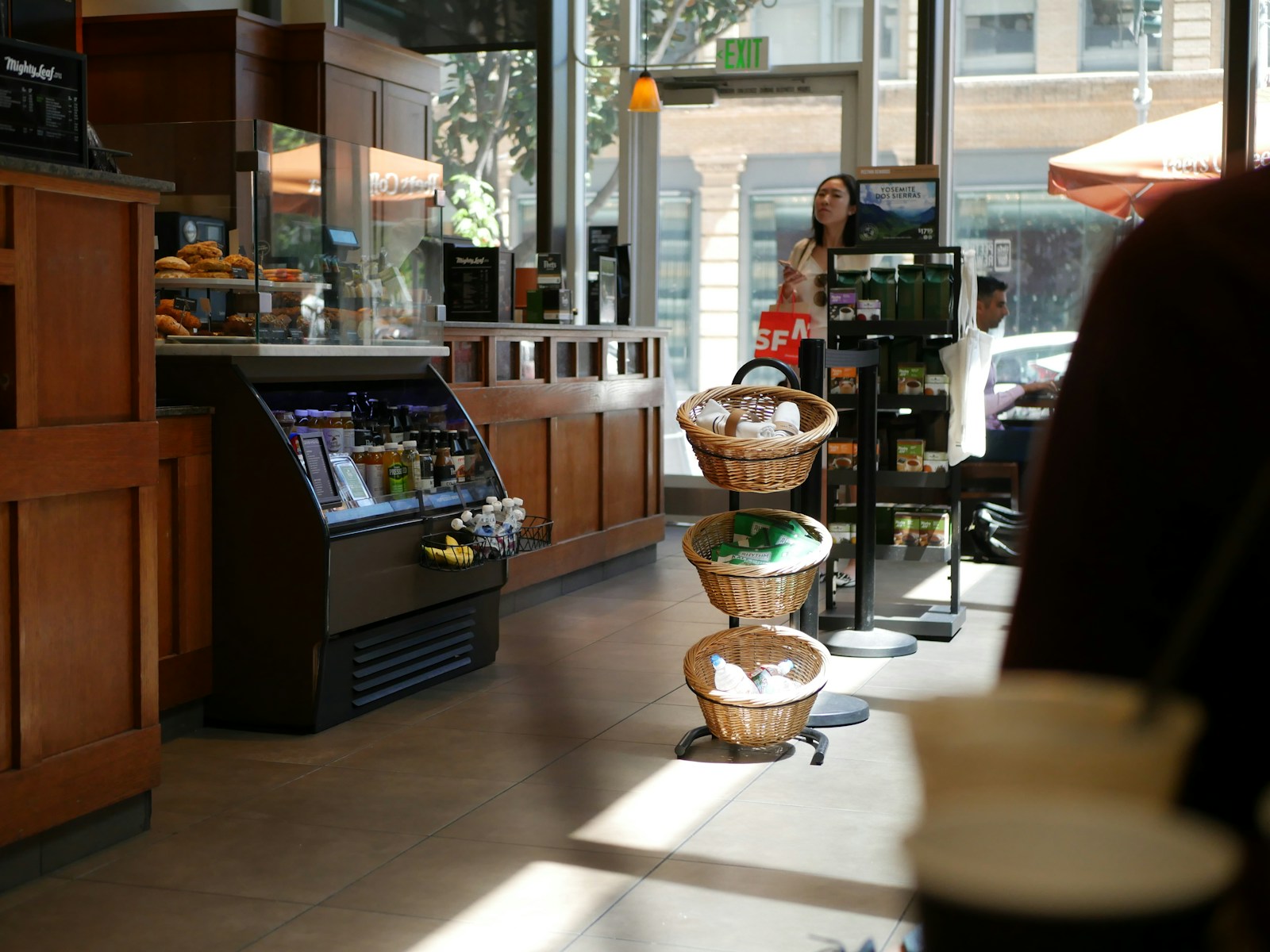
Electrical requirements for convenience stores in Sacramento and surrounding cities are significantly more complex than most small commercial occupancies. These facilities operate extended hours, rely on continuous refrigeration, and often occupy older strip-mall buildings originally designed for lower electrical demand.
Based on field experience across Sacramento, Elk Grove, Roseville, Folsom, and Rancho Cordova, many convenience stores operate near the limits of their electrical infrastructure. This condition is commonly identified during electrical inspections and creates elevated risk for outages, failed inspections, food spoilage, and fire hazards.
Electrical services in Sacramento must account for climate-driven cooling loads, aging panel equipment, and strict National Electrical Code (NEC) requirements that apply to mixed-use commercial spaces.
This guide explains the electrical requirements for convenience stores, why failures occur, why issues often surface after hours, and why proper design and inspection matter for safety and business continuity.
What Electrical Requirements for Convenience Stores Include in Sacramento
Electrical requirements for convenience stores extend well beyond basic retail wiring. These locations function as high-load commercial facilities with multiple critical systems operating simultaneously.
Common electrical systems required include:
- Main electrical service sized for continuous commercial demand
- Dedicated refrigeration circuits
- Food service and preparation equipment circuits
- Interior and exterior lighting systems
- Emergency and egress lighting
- Fuel pump and canopy electrical systems (where applicable)
- Fire alarm and life-safety circuits
- Security, POS, and data infrastructure
Each system adds load, coordination requirements, and inspection criteria under the NEC and local Sacramento County enforcement standards.
How Electrical Service Size Is Determined for Convenience Stores in Sacramento
Service size is one of the most critical electrical requirements for convenience stores.
Undersized services are frequently identified during inspections in older Sacramento strip malls, where original electrical infrastructure was never designed for modern refrigeration and HVAC demand.
Load Calculations Required by NEC
Electrical requirements for convenience stores require formal load calculations under NEC Article 220, including:
- Continuous loads operating more than three hours
- Refrigeration compressors
- HVAC equipment
- Lighting demand
- Food preparation appliances
- Exterior and canopy lighting
- Allowance for future expansion
Continuous loads must be calculated at 125%, which significantly increases required service capacity.
Common Service Sizes Found in Sacramento
In Sacramento and surrounding cities, common service configurations include:
- 200-amp services
Frequently inadequate for modern convenience stores - 400-amp services
Common in updated locations with refrigeration and food prep - 600-amp or larger services
Typical for fuel stations with canopy lighting and kitchen equipment
Electrical requirements for convenience stores are often unmet when older 200-amp services are reused without evaluation.
Why Refrigeration Systems Drive Electrical Requirements for Convenience Stores
Refrigeration is the largest continuous electrical load in most convenience stores.
This condition is often caused by:
- Multiple glass-door coolers
- Walk-in refrigerators and freezers
- Ice machines
- Beverage dispensing equipment
In Sacramento’s summer climate, refrigeration compressors cycle more frequently and draw higher startup current.
Circuit and Load Requirements for Refrigeration
Electrical requirements for convenience stores mandate:
- Dedicated branch circuits for each compressor
- Proper conductor sizing
- Balanced phase loading
- Lockable disconnects within sight of equipment
- Equipment grounding continuity
Shared or undersized circuits are a common cause of breaker tripping after hours when fewer staff are present to respond.
Electrical Requirements for Convenience Stores With Food Service in Sacramento
Convenience stores offering hot food or prepared beverages introduce additional electrical demand.
Common food-related equipment includes:
- Roller grills
- Microwaves
- Coffee brewers
- Ovens or warming units
- Hot holding equipment
Code Considerations for Food Equipment
Electrical requirements for convenience stores with food service include:
- GFCI protection where required by NEC
- Dedicated circuits for high-wattage appliances
- Proper equipment grounding
- Ventilation interlock compliance where applicable
These requirements are commonly reviewed during health department and fire inspections in Sacramento County.
Lighting and Emergency Power Requirements in Sacramento Convenience Stores
Lighting systems are both a safety and operational requirement.
Electrical requirements for convenience stores include:
- Sales floor lighting
- Cooler case lighting
- Exterior building lighting
- Parking lot lighting
- Canopy lighting for fuel locations
- Emergency egress lighting
Emergency and Exit Lighting Requirements
NEC and local code require:
- Battery-backed emergency lighting
- Illuminated exit signage
- Continuous path-of-egress coverage
- Functional testing capability
Frequently found in older Sacramento commercial spaces, failed emergency lighting is a common inspection violation.
Fuel Pump and Canopy Electrical Requirements in Sacramento
Convenience stores with fuel operations face additional and stricter electrical requirements.
Electrical requirements for convenience stores with fuel pumps include:
- Classified location wiring methods
- Explosion-proof fittings
- Emergency fuel shutoff systems
- Bonding and grounding of fuel equipment
- Dedicated canopy lighting circuits
Improper installations present severe fire risk and are subject to enforcement by local authorities having jurisdiction.
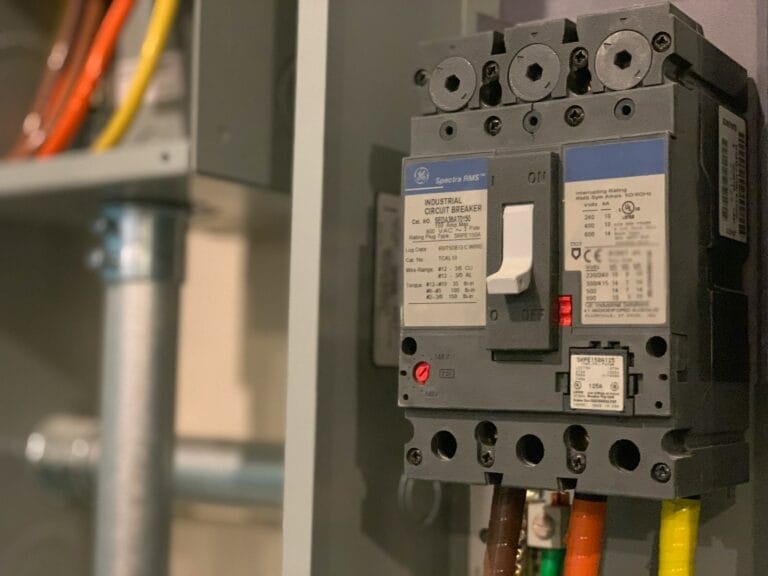
Panelboards and Distribution Issues Common in Sacramento Strip Malls
Panel configuration and condition play a major role in electrical safety.
Electrical requirements for convenience stores typically require:
- Adequate number of distribution panels
- Clearly labeled circuits
- Proper working clearances
- Lockable electrical rooms or panels
Common Panel Issues Identified During Inspections
Commonly identified during electrical inspections in Sacramento:
- Overfilled panels
- Double-lugged breakers
- Mixed voltage systems without labeling
- Obsolete or recalled panel brands
- Evidence of overheating
These conditions increase fire risk and violate NEC standards.
Grounding and Bonding Requirements for Convenience Stores
Grounding and bonding failures represent a serious safety concern.
Electrical requirements for convenience stores include:
- Proper grounding electrode systems
- Bonding of metallic piping
- Bonded fuel equipment
- Continuous equipment grounding conductors
Frequently found in older Sacramento buildings, grounding systems may not meet current code or modern equipment requirements.
Why Electrical Problems Often Appear at Night
Electrical issues in convenience stores often surface after hours.
This condition is often caused by:
- Reduced staffing
- Peak refrigeration cycling
- Exterior and canopy lighting activation
- Lower ambient temperatures affecting load balance
Without proper service sizing and load distribution, these conditions lead to nuisance tripping and equipment shutdowns.
Why Electrical Requirements for Convenience Stores Matter for Safety
Electrical requirements for convenience stores exist to prevent:
- Electrical fires
- Equipment damage
- Food spoilage
- Business interruption
- Employee and customer injury
Failure to meet these requirements exposes store owners to liability, failed inspections, and costly downtime.
When Convenience Stores in Sacramento Should Schedule an Electrical Evaluation
An electrical evaluation is recommended when:
- Opening a new convenience store location
- Remodeling or expanding services
- Adding refrigeration or food equipment
- Experiencing breaker tripping or voltage issues
- Preparing for inspection or ownership transfer
A licensed electrician in Sacramento can identify deficiencies before they result in enforcement action or system failure.
Conclusion: Electrical Requirements for Convenience Stores in Sacramento
Electrical requirements for convenience stores in Sacramento and surrounding cities are demanding, load-intensive, and strictly enforced. Aging commercial buildings, extreme summer heat, and modern equipment place sustained pressure on electrical systems.
Failure to address these requirements creates safety risks, inspection failures, and operational disruption.
For electrical services in Sacramento, Old Town Electric provides professional electrical inspections, service upgrades, and code-compliant solutions for convenience stores throughout the region. Schedule an electrical evaluation to confirm compliance and protect your business.