
Bathroom remodels trigger some of the most strict electrical code requirements in residential construction.
This is not optional compliance.
It is enforced during inspections and directly tied to shock, fire, and moisture-related failure risks.
For Sacramento homeowners, electrical code for bathroom remodels is especially critical due to:
- Older housing stock
- Mixed panel generations
- High humidity exposure from enclosed bathrooms
- Load increases from modern fixtures and devices
This guide explains electrical code for bathroom remodels clearly, based on conditions commonly identified during inspections in Sacramento and surrounding cities.
Table of Contents
Why Electrical Code for Bathroom Remodels Is Strict
Bathrooms combine three high-risk factors:
- Water
- Confined space
- High-demand electrical devices
Based on field experience, bathrooms account for a disproportionate number of residential electrical violations.
Electrical code for bathroom remodels exists to control:
- Shock risk near water sources
- Overloading from hair dryers, bidets, heated floors, and exhaust fans
- Arc faults caused by moisture intrusion
- Improper grounding in older homes
In Sacramento, these risks are amplified by aging wiring systems and remodels layered on top of outdated electrical infrastructure.
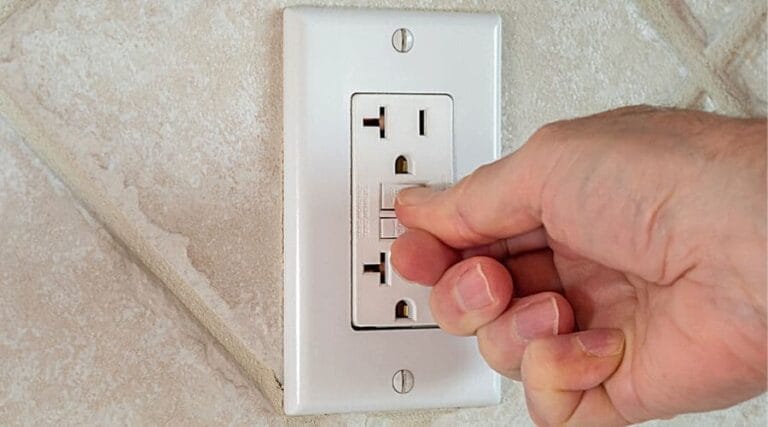
GFCI Protection Requirements in Bathroom Remodels
Where GFCI Protection Is Required
Under current NEC requirements, electrical code for bathroom remodels mandates GFCI protection for:
- All bathroom receptacles
- Outlets within 6 feet of sinks
- Outlets serving bidets or washlet systems
- Receptacles inside vanity cabinets
This condition is commonly identified during electrical inspections in Sacramento homes built before the mid-1990s.
Why GFCI Is Non-Negotiable
GFCI devices are designed to:
- Detect current imbalance
- Interrupt power within milliseconds
- Prevent lethal shock in wet environments
Older two-wire circuits without proper grounding frequently fail inspection during bathroom remodels.
Required Bathroom Receptacle Circuits Under NEC
Dedicated 20-Amp Circuit Requirement
Electrical code for bathroom remodels requires:
- At least one 20-amp dedicated circuit
- Serving bathroom receptacles only
This circuit cannot serve lighting, fans, or other rooms.
Frequently found in older Sacramento homes:
- Bathrooms sharing circuits with bedrooms
- 15-amp circuits feeding multiple bathrooms
- Overloaded branch circuits tripping under normal use
What This Means During a Remodel
If receptacles are upgraded or relocated:
- The circuit must be corrected
- Load calculations must meet current code
- Existing violations cannot be concealed
This is one of the most common reasons bathroom remodels fail electrical inspection.
Lighting Code Requirements for Bathrooms
Approved Lighting Locations
Electrical code for bathroom remodels allows lighting in:
- Ceilings rated for damp locations
- Vanity areas with proper clearance
- Shower zones only when fixtures are wet-location rated
Fixtures installed directly over showers are frequently flagged during inspections if not properly rated.
Lighting Safety Rules
- No open fixtures in wet zones
- No exposed bulbs near tubs or showers
- Proper clearance from water sources
Based on field experience, many remodels fail due to decorative fixtures that are not code-rated.
AFCI Requirements in Sacramento Bathroom Remodels
When AFCI Protection Is Required
In California, electrical code for bathroom remodels often requires AFCI protection when:
- Circuits are extended
- New wiring is installed
- Panels are upgraded
AFCI protection is designed to prevent fires caused by:
- Damaged conductors
- Loose connections
- Arcing faults behind walls
Common Inspection Failures
- Missing AFCI breakers after remodel
- Incorrect dual-function AFCI/GFCI installation
- Miswired neutral conductors
Sacramento inspectors routinely verify AFCI compliance on permitted remodels.
Exhaust Fan Electrical Code Requirements
Mandatory Ventilation
Bathrooms must have:
- A code-compliant exhaust fan
or - An operable window meeting size requirements
Most modern remodels rely on powered ventilation.
Electrical Code for Bathroom Remodels and Fans
- Fan must be on a dedicated switch
- Combination fan/light units must be properly rated
- Fan circuits must be protected as required by code
Improper fan wiring is frequently found in older homes where lighting circuits were repurposed.
Clearance Rules Around Tubs, Showers, and Sinks
Prohibited Installations
Electrical code for bathroom remodels prohibits:
- Receptacles inside shower or tub enclosures
- Switches within prohibited clearance zones
- Non-rated fixtures over tubs
These violations are among the most common red tags issued during inspections.
Vanity and Sink Clearance
- Receptacles must be GFCI protected
- Outlet placement must meet spacing rules
- Extension cords are never an acceptable solution
Grounding and Bonding Requirements
Why Grounding Matters in Bathrooms
Bathrooms rely heavily on grounding due to moisture exposure.
Electrical code for bathroom remodels requires:
- Proper grounding of circuits
- Bonding of metal piping when applicable
- Correct grounding conductor sizing
Frequently found in older Sacramento homes:
- Missing ground wires
- Bootleg grounds
- Improper bonding during partial remodels
These conditions create real shock hazards and must be corrected during permitted work.
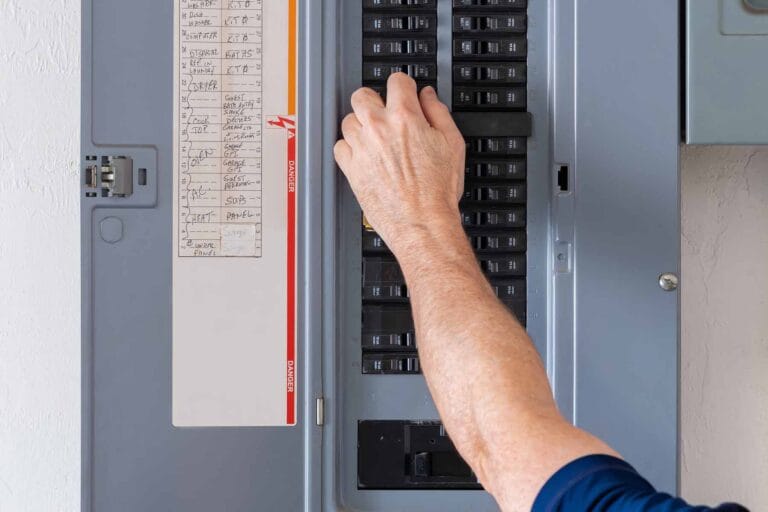
Electrical Panel Considerations During Bathroom Remodels
Panel Capacity and Compatibility
Bathroom remodels often add:
- Heated flooring
- Bidets
- LED mirror systems
- High-wattage lighting
Electrical code for bathroom remodels requires confirmation that the existing panel can support the added load.
Common panel types found locally:
- Federal Pacific (FPE)
- Zinsco
- Older Square D models
Some of these panels present known safety concerns and may require replacement.
Permit and Inspection Requirements in Sacramento
When a Permit Is Required
A permit is typically required when:
- New circuits are installed
- Wiring is relocated
- Panels are modified
- GFCI or AFCI protection is added
Unpermitted work is frequently discovered during home sales or insurance reviews.
Inspection Expectations
Inspectors verify:
- Circuit sizing
- Protection devices
- Fixture ratings
- Grounding and bonding
- Compliance with current NEC standards
Electrical services in Sacramento must meet both NEC and local jurisdiction amendments.
Why Electrical Code for Bathroom Remodels Protects Homeowners
Electrical code for bathroom remodels is not arbitrary.
It exists to prevent:
- Electrical shock
- Fire caused by arcing
- Equipment failure
- Costly rework after failed inspections
Frequently found in remodels completed without licensed electricians:
- Concealed violations
- Improper splicing
- Overloaded circuits
These issues create long-term safety and liability risks.
Internal and External Resources
- Learn more about bathroom electrical upgrades
- Review GFCI outlet installation services
- See electrical panel upgrade services
Authoritative references:
- National Electrical Code (NEC) — NFPA
https://www.nfpa.org - Consumer Product Safety Commission (CPSC)
https://www.cpsc.gov
Electrical Code Compliance Is Not Optional
Electrical code for bathroom remodels exists to protect occupants from real, documented hazards.
In Sacramento, older homes and modern upgrades frequently collide during bathroom renovations.
Code-compliant electrical work ensures:
- Safety in wet environments
- Reliable circuit performance
- Successful inspections
- Long-term property value protection
For Sacramento homeowners planning a bathroom remodel, electrical compliance should be evaluated before walls are closed and fixtures are installed.
A licensed electrician in Sacramento can identify code issues early and prevent costly corrections later.
Old Town Electric provides licensed electrical services in Sacramento and surrounding cities, including bathroom remodel inspections, code corrections, and permitted electrical upgrades.
Schedule a professional electrical evaluation before or during your bathroom remodel to ensure full code compliance and long-term safety.