Doorbells are one of those things we don’t think much about until they stop working. They’ve got a simple job, right? You press a button, and it rings. But when that little chime goes silent, it can leave you scratching your head. So, what causes doorbells to stop working? Let’s walk through it.
Table of Contents
What Homeowners Should Know
- Doorbells operate through a simple electrical circuit that can be disrupted by various issues.
- Common electrical problems like blown fuses or circuit overloads can cause doorbells to malfunction.
- Mechanical failures, such as a broken doorbell button, are a frequent reason for inoperable doorbells.
- Wiring issues, like loose connections or damaged wires, can prevent the doorbell from receiving power.
- Power supply problems, including faulty transformers or dead batteries, often lead to doorbell failures.
Understanding the Basics of Doorbell Functionality
Doorbells they’re one of those things we take for granted until, bam, they stop working. It can be a real nuisance, right? You think you hear a knock, but nope, it’s just the wind. Anyway, there are a couple of things that can cause doorbells to stop working. First off, it’s often a dead or dying transformer. I was just in Folsom fixing one of those—the homeowner swore they had good power, but the transformer was toast.
Also, moisture can sneak into the wiring or the doorbell button itself—especially in our Sacramento weather. You remember that downpour last month, right? I had to replace a couple buttons and wiring in Rocklin because of that. Then you got the wiring too. If the wire has a break or some funky connection, well, it won’t ring at all.
And let’s not forget about the actual doorbell mechanism. Sometimes those little parts just wear out. Not to mention, don’t get me started on battery-operated ones—if the battery’s low, they’ll just sit there silent. Totally frustrating. I mean, who wants to walk up to a house without a ding-dong? Don’t get me wrong; fixing these things isn’t rocket science, but it pays to know these little problems before plunging in. So, you ask yourself, what causes doorbells to stop working? It’s usually a combination of stuff. Just need to check everything systematically. You know, it’s a simple fix—most of the time.
Common Electrical Issues That Affect Doorbells
What causes doorbells to stop working? I mean, it’s one of those things you take for granted until it’s silent, right? I had a job in Folsom last week where the homeowner thought it was just the button. Turns out, the problem was with the transformer, which converts your regular household current down to what your doorbell actually needs. If that’s not working, no chime, no ding-dong.
And sometimes, you might find that the wiring itself is the issue, too—could be frayed or loose connections. That’s an easy fix, usually, but it can take a bit of digging through the walls. I remember doing similar work over in Rocklin not too long ago—we had to track down some faulty wiring that was just hidden under layers of paint and old boxes.
Then there’s the doorbell itself; if it’s a wireless one, the batteries could be dead, or it could be out of range. I often recommend homeowners check the batteries first if it’s wireless. Anyhow, if someone is dealing with a doorbell issue, I always say, start with the simple fixes. It’s a lot less hassle before diving deep into the electrical system.
Oh, and moisture can definitely play a role—like water in a junction box or a bad seal on outdoor models. Remember, if things don’t seem too obvious, just call me in for that second set of eyes. Could save you a lot of time troubleshooting!
‘The great thing in the world is not so much where we stand, as in what direction we are moving.’ – Oliver Wendell Holmes Jr.
Mechanical Failures: When the Doorbell Button Breaks
So, what causes doorbells to stop working? It can be a handful of things really. First off, it could be a simple mechanical failure, like the button itself getting stuck or just wearing out from all the use over the years. I’ve seen that happen more times than I can count. You push it, and nothing happens, right? That might just mean that little push button needs replacing.
Then you have the wiring issues, like if it’s frayed or disconnected somewhere. Happens a lot with older homes around here in Sacramento. Sometimes, it’s just an easy fix where I can splice a wire back together, but other times, you’d be surprised how much work it is to trace it all the way back to the transformer. You know, I was just at this place near Rocklin where the transformer had gone bad, completely fried! So, always gotta check those things. And let’s not forget the power source; could also be a blown fuse or a tripped circuit affecting the whole thing.
So, yeah, if your doorbell isn’t ringing, it’s typically one of those culprits. What’s nice is once we pinpoint the issue, a lot of it’s pretty straightforward to fix, but it might take a little detective work if it isn’t immediately obvious.
Wiring Problems: Identifying Faulty Connections
I your doorbell’s not working, it could be a few things; it’s actually pretty common. First, let’s think about what causes doorbells to stop working in the first place. You might be dealing with faulty wiring or a bad connection somewhere in the circuit. Just the other day, I had a job in Rocklin where the homeowner called me because their ancient doorbell just died out of the blue, like it was taking a long nap.
Sometimes, it can be as simple as a burnt-out transformer—yeah, it steps down the voltage for the doorbell, and if that’s toast, well, you’re not gonna hear that cheerful chime. And don’t forget about the button itself; if it’s stuck or cracked, the circuit might not complete. I mean, I had a similar situation in Folsom where it turned out to be a little rust on the button from the rain.
Also, you’re gonna want to check the connections, especially if it’s an old house like some of the ones around here. Corrosion can sneak in and cause all sorts of trouble. It’s like little gremlins messing with the current, turning your doorbell into a ghost! So, you know, just keep an eye on those connections, make sure they’re not loose or, heaven forbid, fried. All part of the gig, right?
Power Supply Issues: Transformers and Batteries
Sometimes, it’s as simple as the transformer not giving enough power. You gotta make sure the transformer is functioning right—like I did on that job in Folsom last week—had to replace the old one since it was barely kicking out enough juice. The doorbell just wouldn’t ring.
Then, there’s the issue with the wiring. If there’s a break or a short somewhere between the transformer and the doorbell, boom—no sound. And those old battery-operated ones? They can be quite the pain, especially if the batteries die unexpectedly, you know? I did a call-out in Rocklin where a homeowner was convinced it was the wiring, turned out the batteries were just shot.
Sometimes, it just takes a little troubleshooting. Check the connections first, make sure everything’s tight. Then, test the transformer. If I had a nickel for every time a bad transformer caused a doorbell to stop working! It’s often the unsung hero in the whole system. You know, I always tell folks, keep an eye on these little things—they can save you a headache later on.
Troubleshooting Tips for Homeowners
We’ve seen it plenty of times, like that one job I did over in Rocklin where the homeowner had no idea why hers was silent. So, what causes doorbells to stop working? Well, the first thing to check is the power supply, right? I mean, if it’s wired, maybe there’s a loose connection somewhere. Or, if it’s a wireless doorbell, it could just be that the batteries are dead or low. You wouldn’t believe how many times I’ve replaced batteries before even checking the wiring.
Then, there’s the actual doorbell button. If it’s stuck or dirty, that could make the thing unresponsive. I had a call from a client in Folsom who was convinced the whole system was broken, and it turns out the button just needed a good cleaning.
Also, don’t forget about the chime box! Sometimes these things get jammed or have internal issues, which can be a real pain. It’s usually not super complicated, but when it goes quiet…it can feel like a mystery.
So if you’re ever in doubt, give me a call, and I’ll check it out for you. Just remember, sometimes troubleshooting doorbells is about thinking outside the box a little—like looking at all the parts involved, you know?
Common Questions
What are the basic components of a doorbell system?
A typical doorbell system consists of three main components: the doorbell button, a transformer (or batteries for wireless models), and the doorbell chime unit. The button is pressed to send a signal to the transformer, which powers the chime when activated.
What common electrical issues can cause a doorbell to stop working?
Common electrical issues include blown fuses, tripped circuit breakers, and faulty transformers. If the transformer fails or is not supplying adequate voltage, the doorbell won’t work.
How can I identify and fix mechanical failures in my doorbell button?
To identify a mechanical failure, first, inspect the button for physical damage or dirt buildup that may prevent it from being pressed. You can also test the button with a multimeter to see if it is functioning properly, and if not, it may need to be replaced.
What should I do if I suspect wiring problems are the cause of my doorbell malfunction?
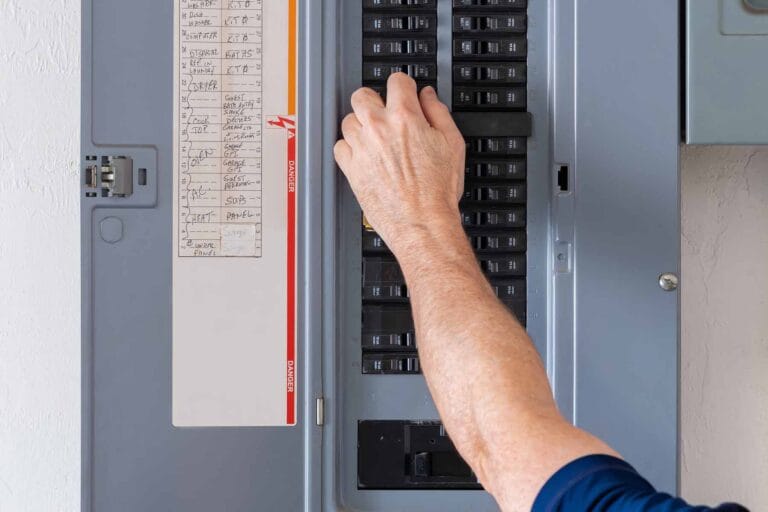
If wiring issues are suspected, check for loose connections, frayed wires, or corrosion at terminals. Make sure to turn off the power before inspecting or working on the wiring, and consider consulting a professional electrician for complex issues.
What troubleshooting steps can homeowners take if their doorbell isn’t working?
Homeowners can start by checking the power supply, ensuring the button is functional, inspecting wire connections, and testing the transformer. If these steps do not resolve the issue, it may be necessary to consult a professional or replace parts of the doorbell system.
Old Town Electric is a trusted local electrical company serving Sacramento and all surrounding cities. We provide fast, reliable residential and commercial electrical services backed by licensed professionals and years of hands-on experience. Contact us today to schedule service or request a free estimate.